Chexlow

Category · Fashion / Heritage Premium

Your First Polo Ralph Lauren — Oxford, Polo, or Chino

Almost everyone who walks into Polo Ralph Lauren for the first time ends up holding the same three pieces. The Oxford button-down, the mesh polo shirt, and the chino. They feel related, and they are, but they really do not play the same role. The trick to a first Polo piece that stays in rotation is knowing which of the three was actually built for the job you need it for.

Your First Polo Ralph Lauren — Oxford, Polo, or Chino

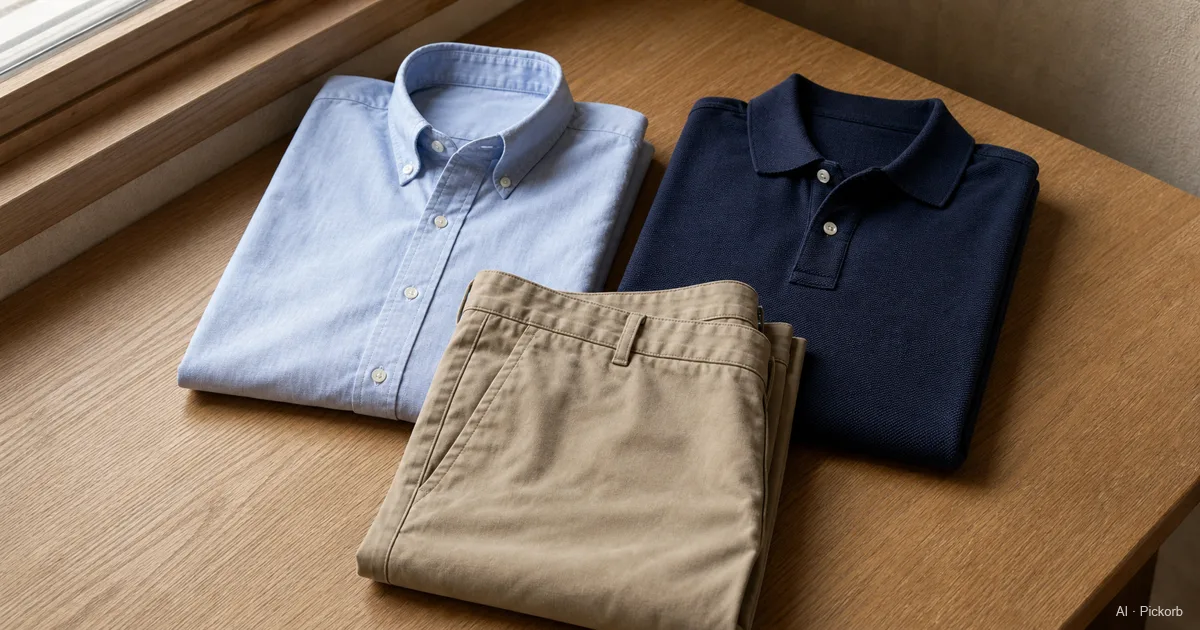
Walk into Polo Ralph Lauren for the first time and three pieces tend to do the heavy lifting on the rack closest to the door. The Oxford button-down with the small Pony at the chest, the cotton mesh polo shirt in a wall of colors, and the cotton chino in the same handful of muted tones the brand has been showing for half a century.

They look related, and they are.

They also do not do the same job. Picking the wrong one first is the most common reason a closet ends up with three near-identical Polo pieces that all want to be the same thing. The simpler version: the Oxford is the dressed-up base, the mesh polo is the warm-weather casual, and the chino is the foundation pant that quietly carries the rest.

How the three pieces started

Ralph Lauren launched the Ralph Lauren Corporation in 1967, starting with men's neckties out of a single drawer in the Empire State Building (Ralph Lauren, Wikipedia). He named the first full menswear line Polo in 1968, after the sport he found held the right combination of tradition, athletic ease, and old-money calm.

The Oxford button-down arrived in 1971. That was the first piece to carry the embroidered Polo Pony on the chest, originally on a women's shirt (Why the Oxford Never Gets Old, RL Mag). The fabric itself was already a century-old Ivy League uniform staple — Oxford cloth, a slightly heavier basket-weave cotton named after Oxford University, had been on American campuses since the 1920s. Ralph Lauren did not invent the Oxford. He fixed the proportions and added the embroidery, and that combination is what made his version the reference.

The mesh polo shirt followed in 1972. Lauren wanted to make the best possible cotton piqué tennis shirt — a piqué is a knit with a small textured grid, lighter and more breathable than a flat jersey. The shirt was originally designed for the tennis court, but Ivy League and preppy circles picked it up almost immediately and it took on the brand name (Making History, RL Mag).

The chino is the oldest of the three, and the only one Ralph Lauren did not introduce. Chinos came out of American military uniform cotton twill in the early 20th century, and by the 1950s they were already the unofficial pant of Ivy League campuses. When Polo opened in the late 1960s, the chino was already the base layer of the look Lauren was reaching for. The Polo version simply added a slightly higher rise, a cleaner break, and the muted earth-tone palette the brand still anchors around.

Three pieces, three different starting points. The Oxford and the polo shirt were Polo's own take on an existing Ivy League piece. The chino was already there.

The Oxford — your dressed-up base

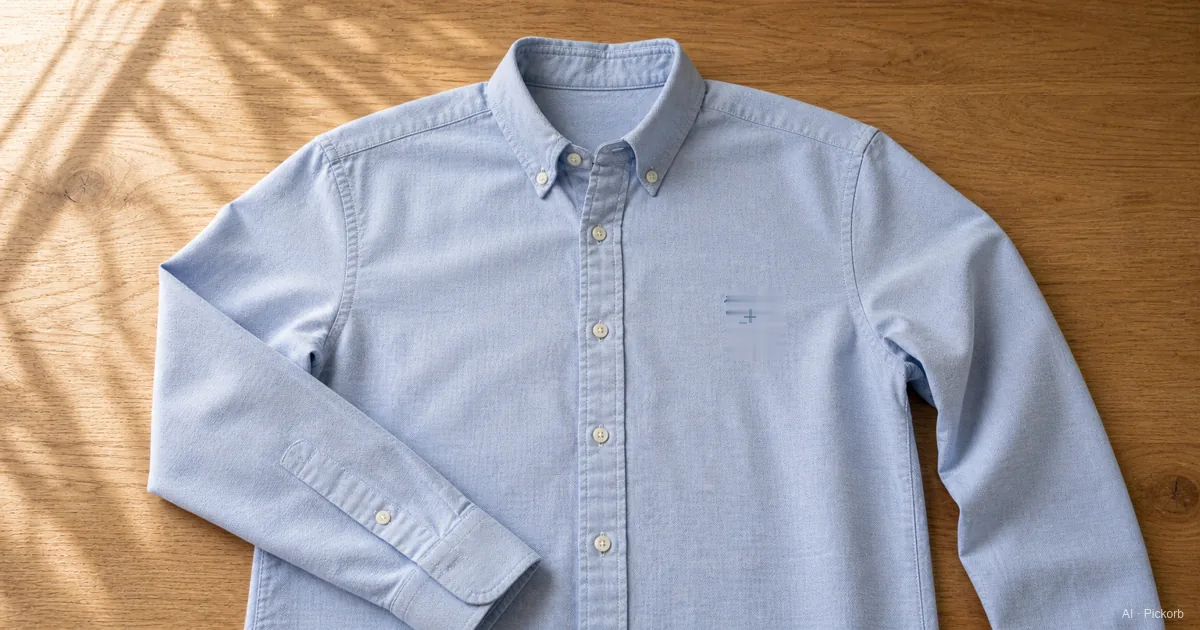
A pressed light blue Oxford button-down shirt laid flat on a matte oak desk in soft natural daylight, small embroidered Pony at the left chest, single button cuff (AI generated illustration)
AI-generated illustration

The Polo Oxford is the piece most people underestimate on the first pass. It looks like a casual shirt. It is actually the closest thing Polo makes to a dressing-up piece you can wear most days.

The fabric does most of the work. Oxford cloth is a basket weave, which means it has a small visible grid texture and a noticeably more substantial hand than a poplin or a broadcloth. It holds a press without feeling stiff, and it softens with washing rather than going limp. A well-treated Polo Oxford after two years has the broken-in hand that most other dress shirts only fake on day one.

The collar is the second thing worth looking at. The button-down collar at this length sits clean under a blazer but does not look formal without one, which is the dressed-up-but-not-too-much sweet spot most first-time buyers are actually asking for.

A few notes on first-Polo Oxfords:

  • The fits. Polo offers the Oxford in Slim, Custom, and Classic fits. Slim is shaped through the chest and waist and reads modern; Classic is the original wider cut and reads traditional; Custom sits in between. The Custom fit is the safest first choice for most people.
  • Color order. Light blue first. Then white. Then pink. The pastel Oxford was central to Polo's UK breakthrough in the 1980s and that palette is still where the brand looks most at home.
  • Pony color. The classic embroidered Pony comes in a handful of contrast colors that change by season. White on light blue is the quietest. The Big Pony version is louder and reads younger.
Compare productsCheck current oxford options on Chexlow

The polo shirt — the warm-weather casual

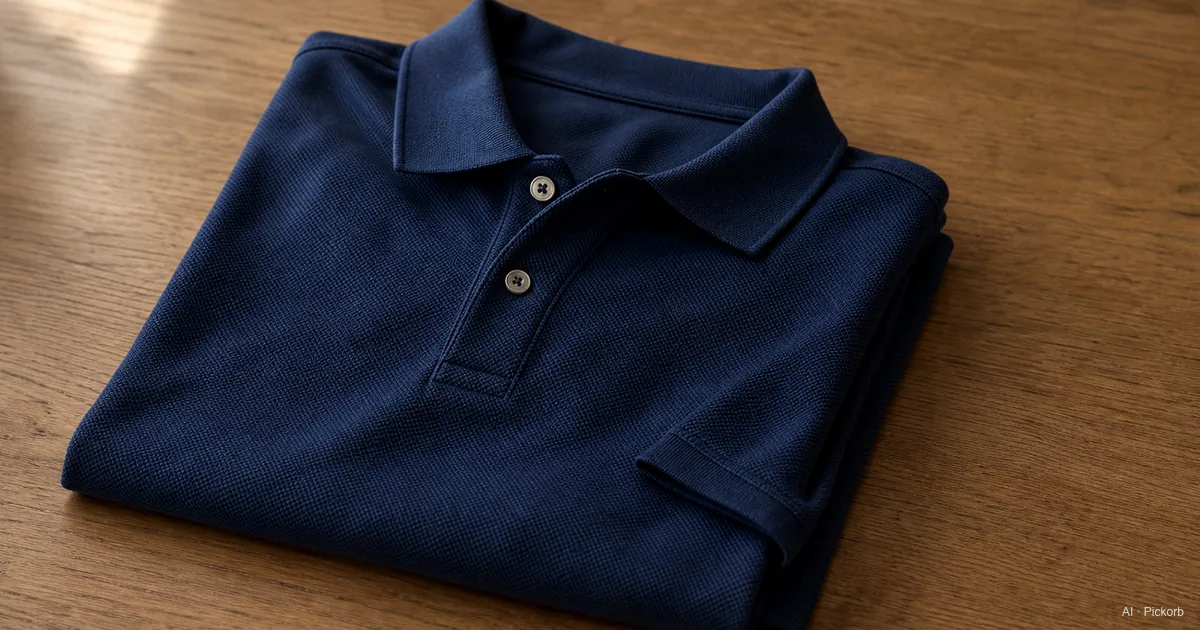
A folded cotton mesh polo shirt in navy on a matte oak desk in soft natural daylight, close-up showing the piqué knit texture and the small embroidered Pony at the chest (AI generated illustration)
AI-generated illustration

The polo shirt is the piece most people walk in for. Worth saying: it is a casual shirt, not a dress-down version of the Oxford. The two solve different problems.

The piqué fabric is the part that took the longest for the brand to settle on. A piqué is a knit with a raised textured grid — lighter than a flat jersey, more breathable, and it holds its shape after washing better than a jersey does. The original 1972 shirt was a tennis shirt, and the piqué was chosen specifically because it stayed presentable through a match in the heat. The same fabric is why a Polo polo still looks crisp after a full day in summer rather than collapsing into a t-shirt.

A few notes:

  • Fits. Same Slim/Custom/Classic logic as the Oxford. The Custom fit is the one Polo's own catalog uses as the default. Slim reads contemporary, Classic reads roomy and traditional.
  • Color depth. The brand has historically run the polo shirt in a very wide range of colors at the start of each season. The deeper colors (navy, hunter, burgundy, charcoal) age the best. Bright neon colors are not where Polo's palette is at its strongest.
  • Custom Slim vs Custom Fit. "Custom" appears in two product names. Custom Slim is the slimmer cut; Custom Fit (no Slim) is the middle cut.
Compare productsCheck current polo shirt options on Chexlow

The chino — the foundation pant

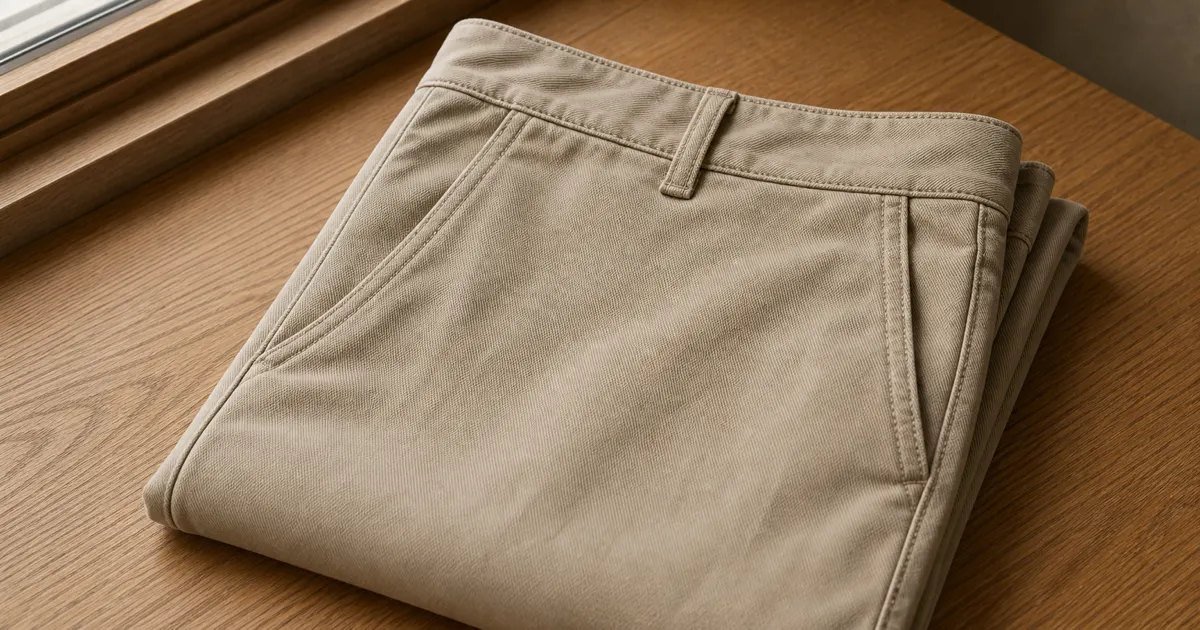
A pair of folded stone chino trousers on a matte oak desk in soft natural daylight, close-up of the cotton twill weave and the front pocket detail (AI generated illustration)
AI-generated illustration

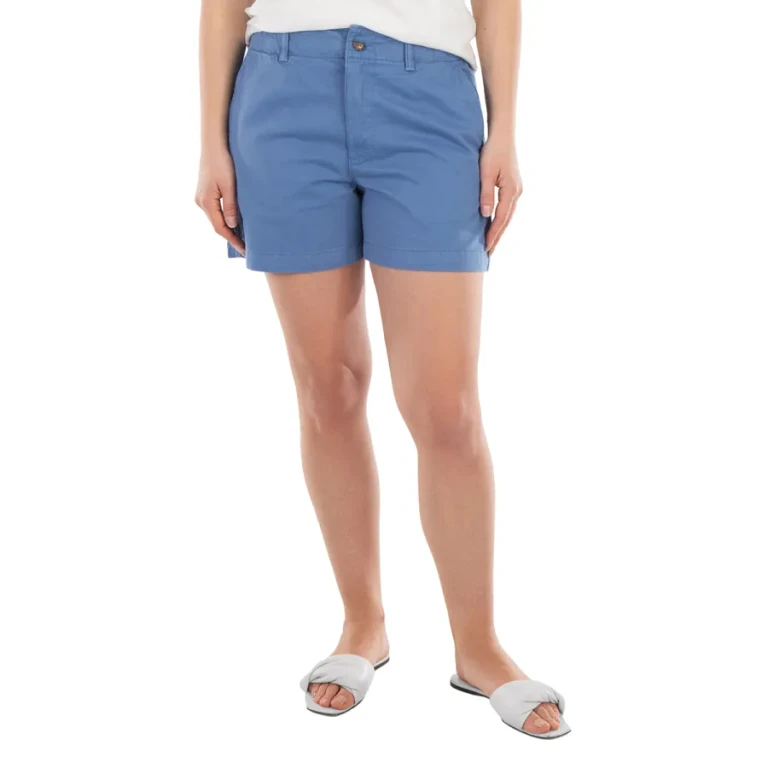
The chino is the piece that does the most invisible work. Most preppy looks read as a preppy look because of what is happening from the waist down, not the shirt.

Polo's chino is cut from cotton twill — a diagonal weave that gives the pant a quiet, slightly mat surface, with a touch of structure that lets it hold a crease without going dressy. The brand's standard palette has stayed close to four colors for decades: stone, khaki, navy, and a darker olive or black for the colder months. Buying outside of that palette for a first chino almost always reads as a sportswear piece rather than a Polo piece.

A few notes:

  • Stretch or not. Polo offers both. The non-stretch chino has the cleaner drape and ages better; the stretch version is more forgiving day one but loses shape faster.
  • Length. Polo's standard inseams run slightly long. Tailoring a clean break (the trouser just touching the top of the shoe) costs nothing and is worth doing.
  • Slim Fit vs Stretch Slim Fit vs Classic Fit. Stretch Slim is the fastest read of the three; Classic Fit reads traditional and slightly wider. For a first chino, Slim Fit (non-stretch) is the most flexible choice.
Compare productsCheck current chino options on Chexlow

A few things worth knowing for all three

  • Sizing. Polo runs roughly true to size in the Custom and Classic fits. The Slim fits run noticeably slim through the chest and thigh. If you are between sizes, sizing up in Slim is usually the safer move than sizing down.
  • Wash. Cold wash, hang dry. The Oxford and the polo shirt both lose a small percentage of their original size after the first machine dry; the chino can shrink in the inseam by a noticeable amount if put through a hot dryer.
  • Resale. Polo holds resale value better than most heritage premium brands at the same price tier — Oxford and polo shirts in solid pastels and the older Polo Pony embroidery are the strongest on the secondhand side.

So which one first

If the closet already has a few casual shirts but nothing that bridges to a blazer or a dressier dinner, the Oxford is the most useful first piece. It opens up about half the situations the polo shirt cannot.

If most of the week is warm-weather casual — t-shirts, jeans, sneakers — then the mesh polo is the piece that actually changes the daily rotation. It reads slightly more put-together than a t-shirt without feeling like dressing up.

If the closet has shirts but nothing on the pant side that bridges between dress and jean, the chino is the foundation move. It is the one piece on this list that most reliably increases the usefulness of the shirts already in the closet.

Most first-time Polo wardrobes end up with all three within a year, in roughly the order the closet asks for them. The order does not really matter. Picking one of the three that solves the actual gap in the closet does.

Sources

AI product analysis

How this guide was built

This piece grew out of the most common first question a Polo first-timer asks — Oxford, polo, or chino. We pulled the brand history from the Wikipedia entries on Ralph Lauren and the Ralph Lauren Corporation and from RL Mag's own editorial on the Oxford and the mesh polo. The framing keeps to the Polo Ralph Lauren pieces readers can compare on Chexlow so the suggestions reflect what is actually buyable, not the brand's full archive.

Chexlow topic editor · AI illustration disclosed in image alt text

Related guides