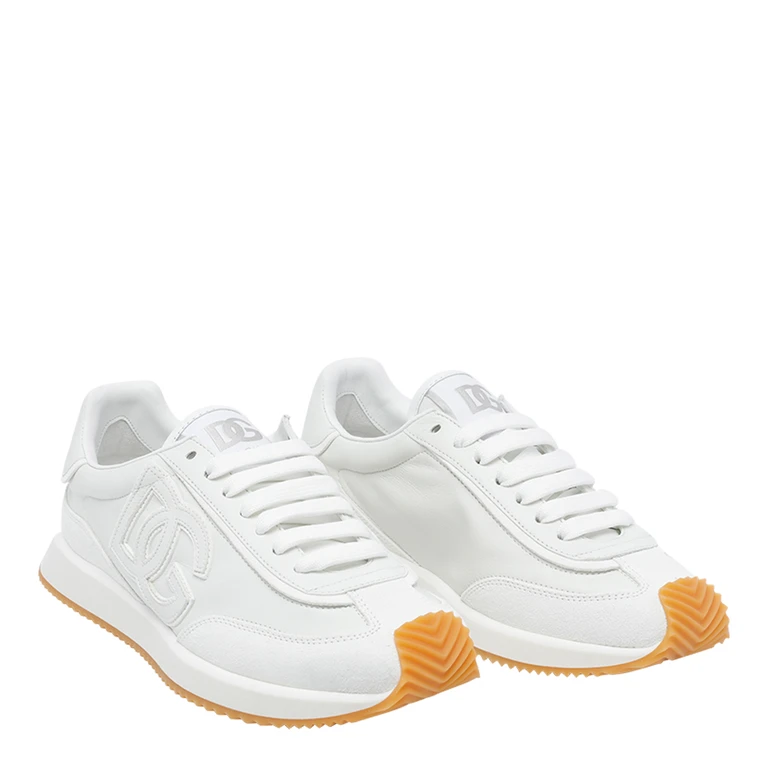
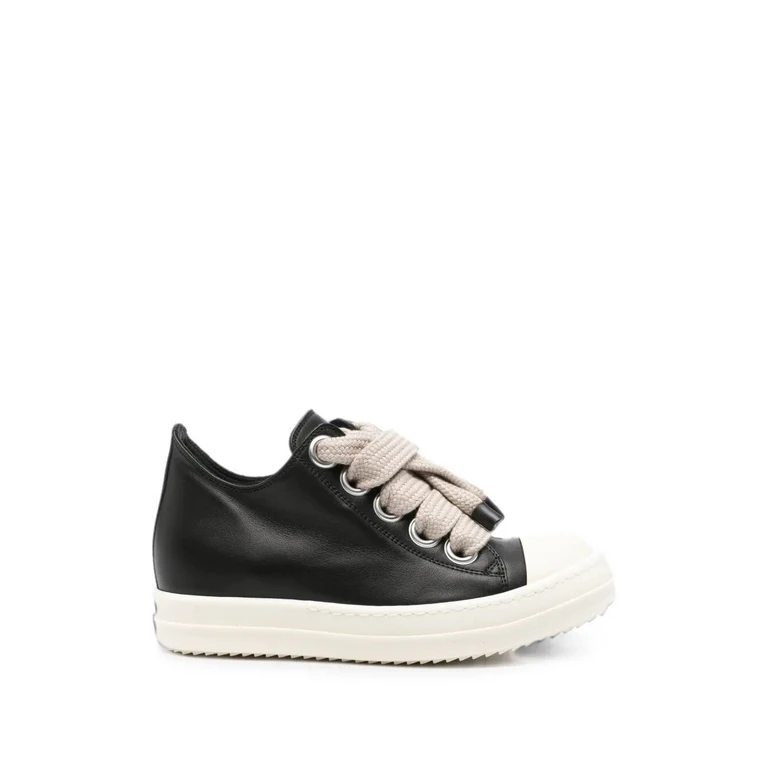
You bought a new pair of sneakers. The first morning they feel plush, almost effortlessly cushioned. The third morning in a row, the same pair feels a touch firmer. You assume it is your feet adjusting. It is not.
What EVA foam is and why it needs time
The midsole — the layer between the outsole rubber and the inner lining — is where cushioning actually happens. Most modern sneakers use EVA, ethylene-vinyl acetate, a lightweight closed-cell foam that absorbs impact by compressing and then slowly expanding back out (EVA foam).
Under body weight and movement, those foam cells compress. Once you take the shoe off, the cells begin to re-expand, drawing air back in and rebuilding the structure that makes the next step feel cushioned. The catch is that this process takes time. Industry guidance and sports science research consistently point to 24 to 48 hours as the minimum recovery window for standard EVA midsoles. High-rebound foams marketed under proprietary names — Nike's React, Adidas's Boost, New Balance's FuelCell — are engineered to recover faster, but even these benefit from at least one rest day.
If you wear the same pair on consecutive days, you are loading foam that has not finished recovering. Each compression starts from a slightly more compressed baseline. Over weeks and months, the cells break down faster, the midsole thins, and the shoe delivers noticeably less cushioning than it did when new.
The injury argument
Midsole compression has a second consequence beyond shoe lifespan: biomechanics. A partially compressed midsole changes how your foot contacts the ground, shifting load patterns subtly across your heel, arch, and forefoot. Research tracking runners found that those who rotated between two or more pairs of shoes reduced their injury rate by up to 39 percent compared to single-pair runners (Runners Connect injury study). The mechanism is that different shoes distribute stress across different points in the foot and ankle, preventing any one structure from accumulating too much repetitive load.
This matters even if you are not running. Walking in the same sneaker every day subjects the same foam geometry, the same heel pad, the same toe spring to the same compressive forces, day after day. A rotation breaks the pattern.
How many pairs do you actually need
Two pairs is the floor. With two shoes alternating, each pair gets roughly 24 hours between wears on a daily-wear schedule, which just covers the minimum recovery window. Shoe lifespan roughly doubles compared to wearing a single pair every day — not because the shoes are better, but because neither one is being loaded on compressed foam.
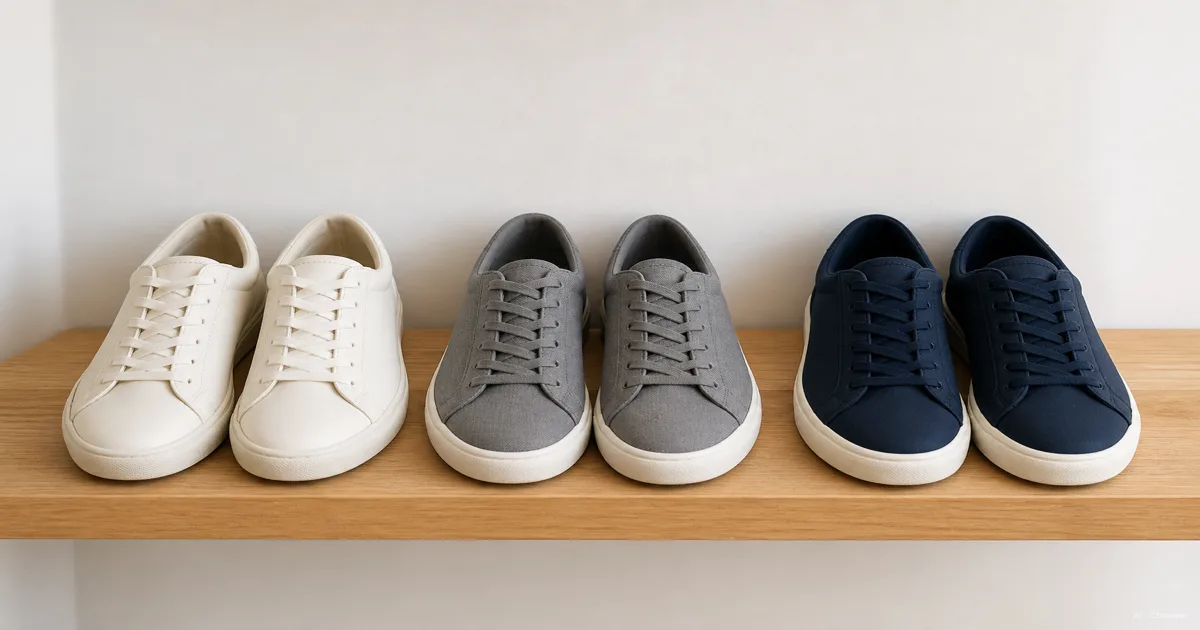
Three pairs is the practical sweet spot for most people. With three pairs rotating, each shoe gets 48 hours or more between wears, which covers the full EVA recovery window even on a heavy-use schedule. You also gain the ability to match shoe to context — a cushioned pair for long days, a lighter pair for casual outings, a weather-resistant pair for uncertain conditions — without forcing one shoe to do everything.
Four or more pairs extends both longevity and variety further, but the incremental gain in foam recovery flattens out after the 48-hour mark. Beyond three, the argument shifts from foam science to wardrobe logic.

How to build a rotation schedule
The simplest approach is a fixed rotation: pair A on Monday and Thursday, pair B on Tuesday and Friday, pair C on Wednesday and the weekend. This requires no tracking and guarantees each shoe gets at least two rest days between wears.
A slightly more flexible method is to keep a mental or written log of the last wear date for each pair, and always reach for whichever has been resting longest. This works well if your schedule varies week to week and you find fixed rotation days rigid.
What to avoid: defaulting to the same pair whenever you are in a hurry, letting one pair accumulate three or four consecutive wears while the others sit idle. A rotation only works if it is actually rotated.
Leather versus EVA: which matters more for rotation
Most sneakers have both a leather or synthetic upper and an EVA or foam midsole. For rotation purposes, the midsole is what matters. Leather uppers benefit from rest in a different way — they dry out, breathe, and regain shape — but the driver of rotation should always be the midsole.
That said, leather uppers do have their own rotation logic. A leather shoe worn on consecutive days in humid conditions accumulates sweat and moisture in the lining and the grain. Rest days allow the lining to dry fully, which slows the breakdown of both the leather and the stitching. So while foam recovery sets the minimum rest window, leather-upper shoes argue for at least 24 hours between wears on their own terms.
Canvas or mesh uppers dry faster and need less recovery time in terms of material, but the midsole beneath them obeys the same foam physics regardless of what is above.
Storage during rotation
Resting a shoe means more than leaving it on the floor. What happens during the rest period affects how well the foam recovers and how long the upper holds its shape.
Pull the laces loose or remove them entirely so the shoe can breathe across its full width. If you have cedar shoe trees, insert them — cedar absorbs moisture and holds the toe box in shape, which matters especially for leather-uppered sneakers that crease at the toe with every wear (shoe tree)). Store the resting pair in a cool, dry location out of direct sunlight. The rubber and foam of a white sole will yellow through photo-oxidation accelerated by heat and UV, so a dark shelf or closed rack is better than a sunny windowsill (photo-oxidation of polymers).
Avoid sealing shoes in airtight boxes between wears. A box is fine for long-term storage of unworn shoes, but a shoe that was just worn needs airflow to let the moisture from your foot evaporate. A breathable bag or an open shelf is better for the resting shoe in a daily rotation.
The practical upshot
A two-pair rotation extends the functional life of each pair and keeps midsole cushioning closer to its original performance. A three-pair rotation covers the full EVA recovery window, introduces useful variety, and is where most wearers find the benefits stabilise. Beyond that, the return on each additional pair diminishes in terms of foam recovery, though wardrobe variety has its own value.
The single most useful habit is also the simplest: when you take a pair off, put it somewhere other than the spot where you will automatically reach for it tomorrow morning. The rotation only works if you let it.
Sources
- Ethylene-vinyl acetate for EVA foam structure, compression behaviour, and use in footwear midsoles.
- Shoe rotation and injury reduction for the 39% injury rate reduction finding in runners rotating two or more pairs.
- Shoe tree) for cedar shoe tree function: moisture absorption and upper shape retention.
- Photo-oxidation of polymers for UV and heat-driven yellowing of rubber and foam soles.
- Tifosi Sports: shoe rotation guide for general rotation principles and foam recovery window guidance.
- Runners Connect: science of shoe rotation for midsole compression and recovery timing.