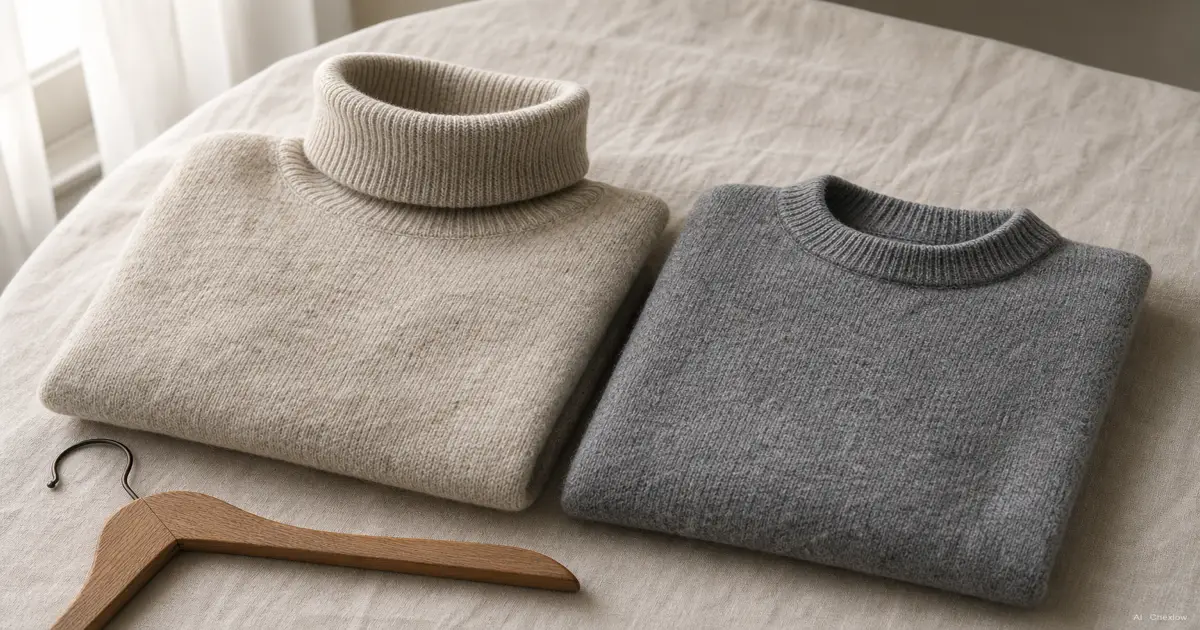
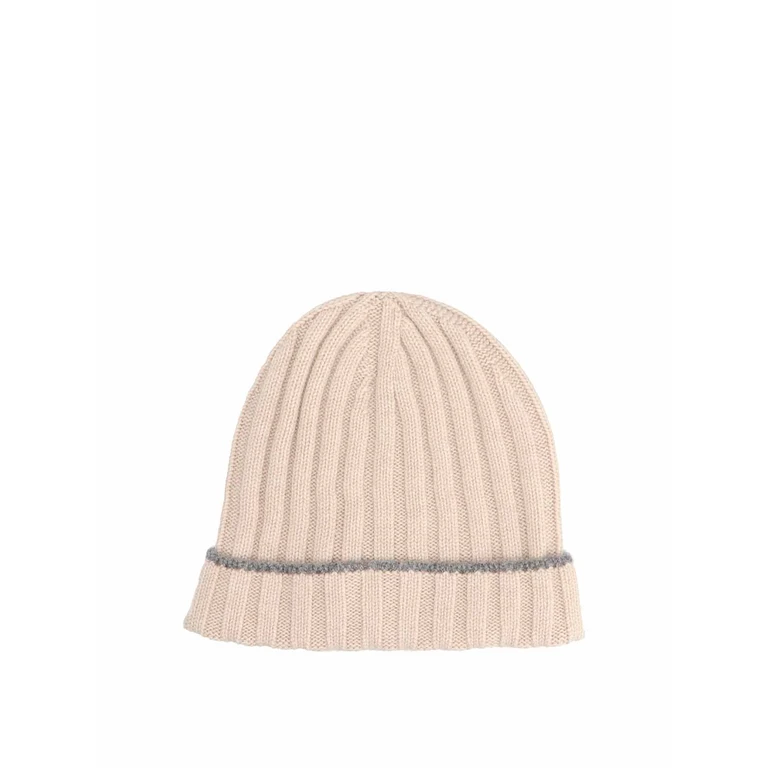

A good cashmere piece is built to be a five- to ten-year piece. The fibers themselves are some of the longest-lasting natural fibers in a wardrobe — fine, soft, slow to wear down — and a well-knitted sweater can outlast almost any other top in the closet.
The catch is that most cashmere does not actually last that long, because most cashmere is mishandled in the first three months of ownership.
Cashmere is gentle. It does not announce damage the way a leather shoe does. The cuffs and underarms slowly felt from being machine-washed once. The hem drops a centimeter from being hung. The surface gets a fuzz of pills from wear that never gets brushed off. By the second winter the sweater that should have been your favorite piece in the closet has quietly become the one you skip.
Four routines decide whether a piece goes the long way or the short way. None of them are complicated, but the order they happen in matters.
1. Read the quality before you buy
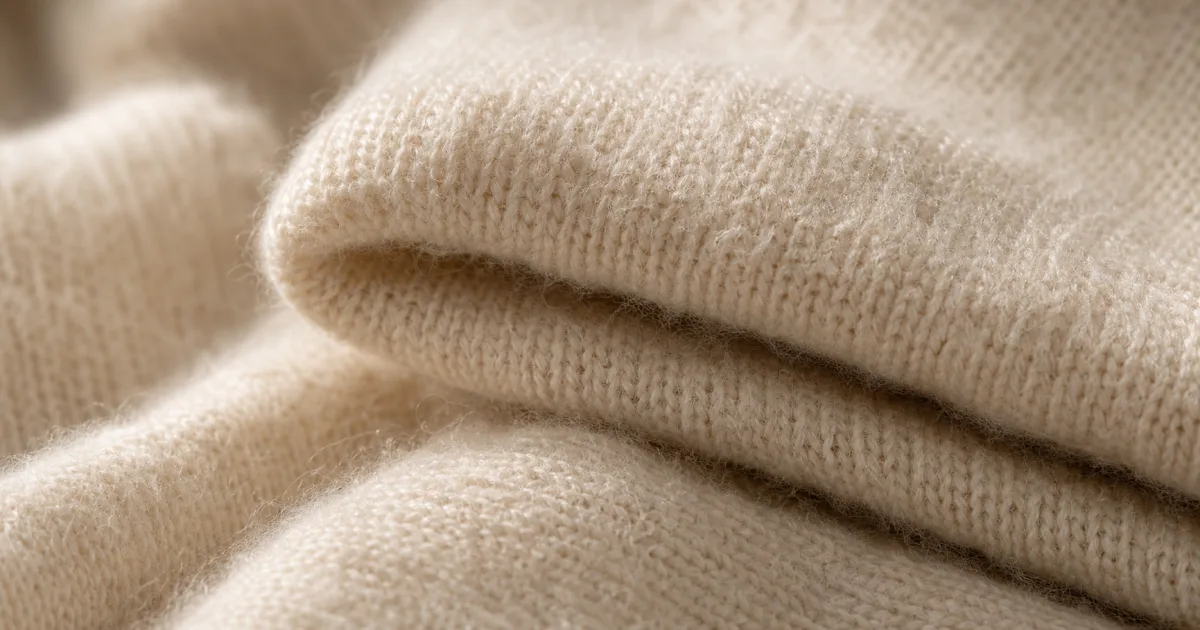
The single biggest factor in how long cashmere lasts is the cashmere itself, decided before you even take it home.
Cashmere fibers are graded by two numbers — fiber diameter (measured in microns) and fiber length (measured in millimeters). Both decide how soft the garment feels, how well it holds its shape, and how much it will pill.
Grade-A cashmere has fibers under 15.5 microns thick and staple lengths around 36-42mm. It feels soft without a hint of prickle, drapes cleanly, and resists pilling because the long fibers stay locked into the knit (Cashmere Grades A, B & C Explained, Yes Helping Hand). Grade-B sits at 16-19 microns — still good for everyday wear, often hard to tell from Grade-A on first touch. Grade-C runs up to 25-30 microns; it has a noticeable prickle, more like ordinary wool than cashmere, and starts to pill heavily within the first month of wear.
Ply matters separately. Most everyday cashmere knits are 2-ply, meaning two fine strands twisted together before knitting. 2-ply holds its shape better than 1-ply and is the safest baseline for a first cashmere (Cashmere Ply Explained, SELVANE). 3-ply is heavier and warmer, usually used on cardigans and outerwear. 1-ply (sometimes called "single") is thinner and lighter but drapes less reliably and pills faster.
Quick reads in store:
- Touch test. Run the back of your hand across the surface. Grade-A reads as cool and smooth, almost silky. Anything that feels scratchy is below Grade-B.
- Stretch test. Gently pull a 5cm section of the hem. It should snap back into shape immediately. A piece that stays slightly stretched has either lower-grade fiber or a loose knit.
- Light test. Hold the knit up to indirect light. You should not be able to see daylight through the knit on a thicker 2-ply or 3-ply piece. Lots of visible light usually means a looser, lower-density knit that will lose shape faster.
2. The first wash
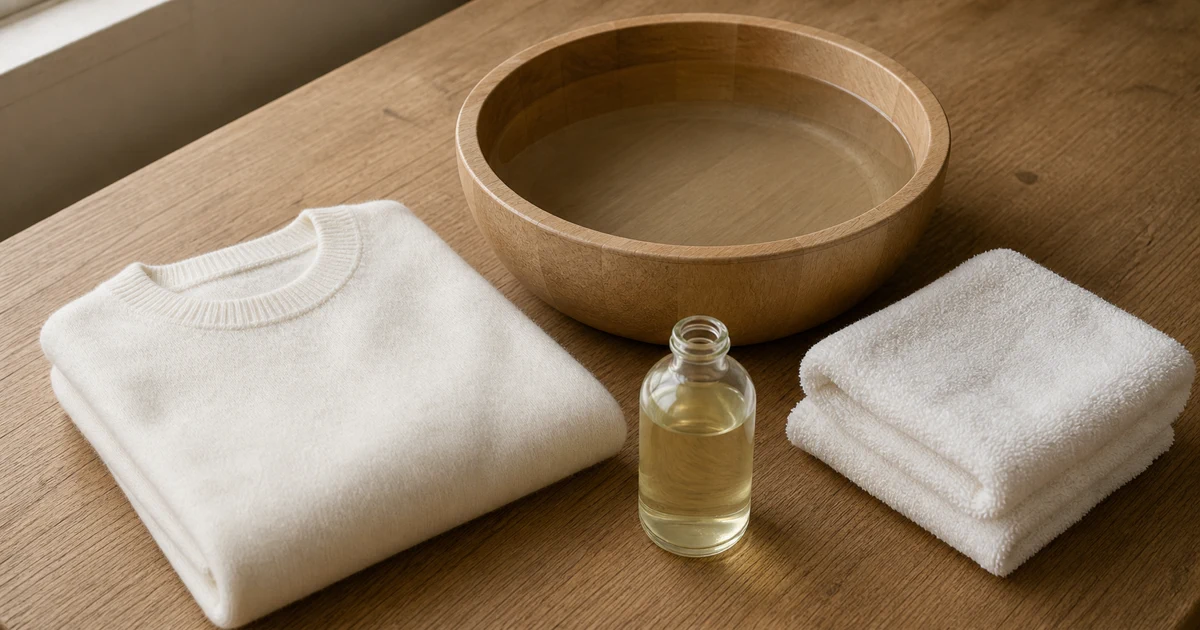
Most cashmere damage in the first year comes from the first wash.
Hand wash, cool water, gentle detergent. The brand-recommended wash is the safest path. A specialist cashmere wash, baby shampoo, or a low-alkaline detergent works just as well — anything with a neutral pH and no enzymes (Cashmere Care, N.Peal). Soak briefly, swish gently, and rinse twice in cool water until the rinse runs clear. Do not soak for more than a few minutes; cashmere fibers swell with water and prolonged soaking weakens them.
Never wring the water out. Pressing it out flat between two towels is the safest method. Lay the wet sweater on a clean dry towel, roll the towel up like a swiss roll, and press to remove the water. Then lay flat on a fresh dry towel to dry, away from direct sun or radiators. Direct heat is what felts the fibers.
Drying takes 24-48 hours flat. Hanging a wet cashmere sweater is the single fastest way to lose its shape — the wet fibers stretch under their own weight and never fully recover. Dry cleaning is OK in an emergency but not as a routine; the solvents are harder on the fibers than a properly done hand wash.
Machine wash on a "wool" or "delicate" cycle works for everyday cashmere knits if the machine is gentle and the detergent is right. But the first wash, always by hand. After the first wash the fiber has settled into its true shape, and you can judge whether the machine handles it well enough.
3. Pilling is normal — how to handle it
Pilling is not a defect. It is the natural result of fine fibers rubbing against themselves and against other surfaces during wear (Cashmere Care, Chinti & Parker). Every cashmere piece pills in the first month, usually in the friction zones — under the arms, where a bag strap rests, at the cuffs, at the hem.
You handle pilling, you do not prevent it.
Two tools, both inexpensive:
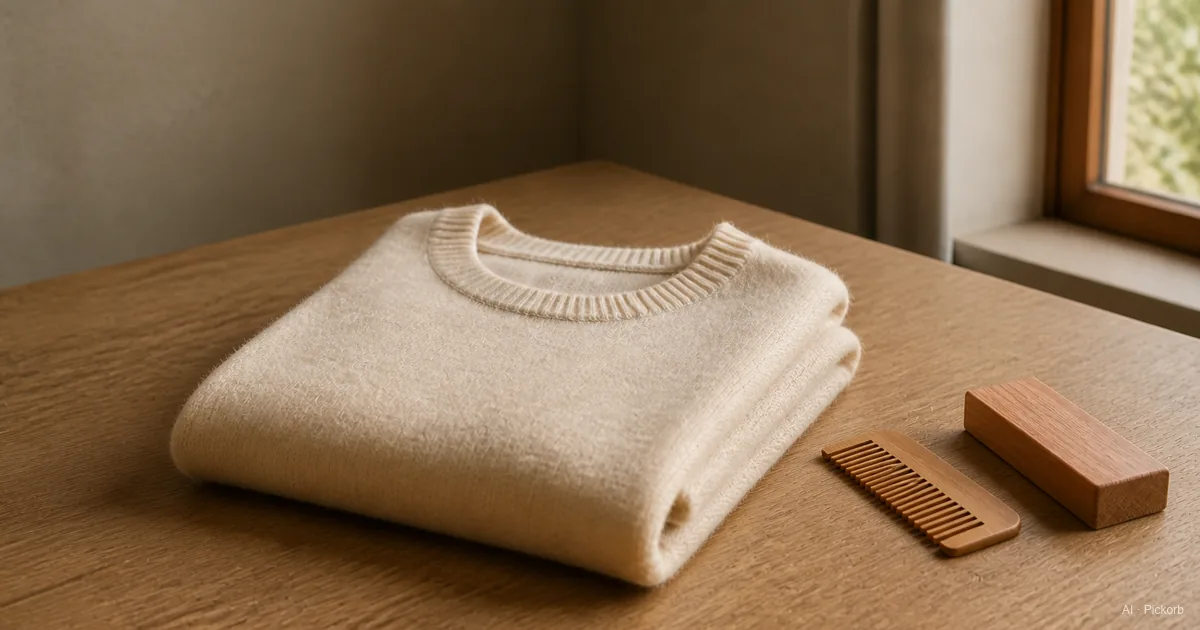
- Cashmere comb (also called a sweater comb). A small flat wooden or plastic comb with fine teeth. Lay the sweater flat, hold the fabric taut with one hand, and gently sweep the comb across the surface in one direction. The pills lift off and collect on the comb. This is the safer of the two tools — there is no way to accidentally cut the fabric.
- Electric de-bobbler. A small battery- or mains-powered device with a rotating blade behind a grille. Glide it lightly over the surface and it shaves the pills off. It is faster than a comb, but pressing too hard can shave a hole into the knit. Use it with light, even pressure and always with the knit laid flat.
A new sweater needs combing about every third or fourth wear in the first two months. After that, the pills get fewer and farther apart — the loose short fibers have already migrated to the surface and been removed. By the second year a piece usually needs combing only a couple of times a season.
4. Storage between seasons
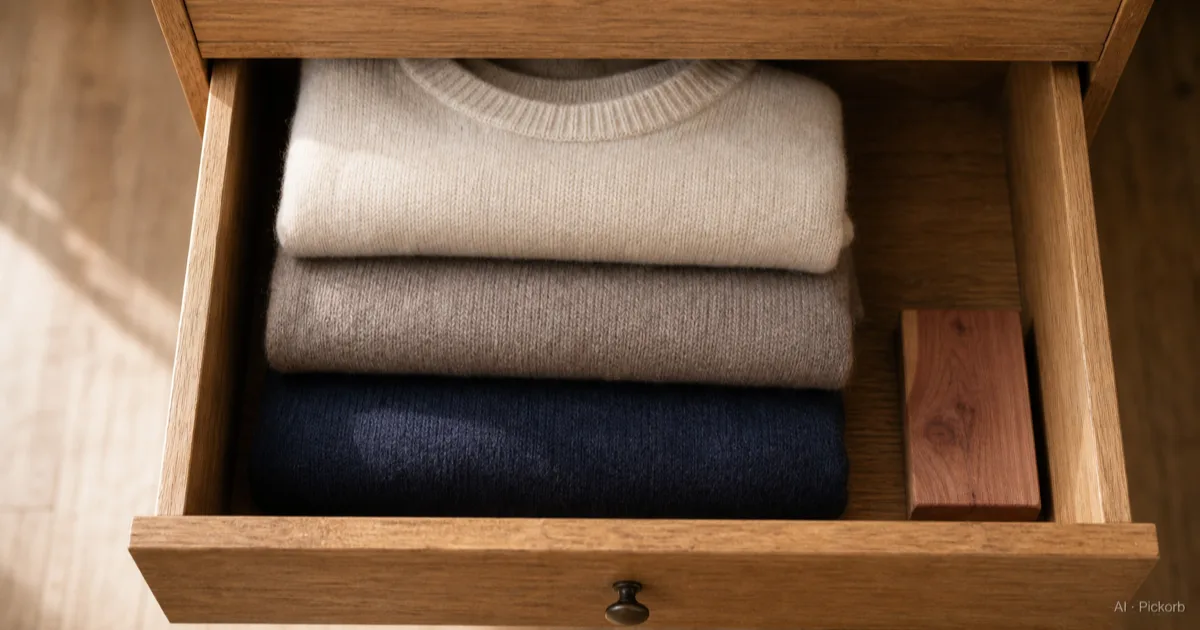
Cashmere does most of its damage in storage, not in wear. Two things matter: how it is folded, and what gets to it while it is sitting there.
Fold, do not hang. A hung cashmere sweater stretches under its own weight at the shoulders and the hem, and the stretch is permanent. Fold along the side seams, sleeves crossed neatly over the chest, and stack flat in a drawer or a fabric storage bag (Caring for Cashmere Clothes, Moth Prevention).
Wash before storage. The most common reason cashmere comes out of storage with moth holes is that it was put away with even a trace of body oil, sweat, or food residue on it. Moths are drawn to those traces, not to the cashmere itself. A piece going into long storage should be freshly washed and fully dry.
Cedar blocks or cedar balls help, but not in direct contact. The aromatic oils that repel moths can transfer onto the fiber and stain it. Place cedar in the corners of the drawer or in a small cloth bag, not pressed against the sweater. Replace the cedar every few months; the scent that repels moths fades faster than the wood looks like it should.
Avoid lavender sachets in direct contact for the same reason. Plastic zip-lock bags are an option for long deep storage, but pick the breathable kind — fully airtight bags trap moisture and can encourage mildew.
A first-year routine
Roughly what a year with a new cashmere sweater looks like:
- Months 1-3. Hand wash after every 4-5 wears, or sooner if visibly soiled. Comb pills off after every third wear. Fold flat in the drawer between wears.
- Months 4-6. Pilling reduces. Wash less often, but never let a stain set. Comb only as needed.
- Off-season. Wash, dry fully flat, fold along the seams, store in a drawer or breathable bag with cedar nearby (not touching). Check in once a month for moth signs.
- Year 2. A well-treated piece settles into a soft drape that gets better with wear. Pilling almost stops. The piece reads more like itself than the day it came home.
The four routines together take about an hour spread across the first year. The piece they protect is one of the few things in a wardrobe that genuinely gets better with age.
Sources
- Cashmere Grades A, B & C Explained, Yes Helping Hand — micron and staple length grading
- Cashmere Ply Explained, SELVANE — single, double, triple ply differences
- Cashmere Care, N.Peal — hand washing, low-alkaline detergent, drying flat
- Cashmere Care, Chinti & Parker — pilling as natural, cashmere comb and de-bobbler use
- Caring for Cashmere Clothes, Moth Prevention — moth-prevention storage, cedar use, plastic vs cloth bags
How this guide was built
This is a cross-brand cashmere care guide, not a brand-specific recommendation. The grading and ply information is cross-checked with established cashmere references — the cashmere care pages from N.Peal, Chinti & Parker, and Begg x Co, the grade explainers from Alpine Cashmere and SELVANE, and the moth-prevention notes from Moth Prevention. The four routines covered are the ones a first-time cashmere owner can actually run; they do not replace a knitwear specialist's full restoration work on an older piece.
Edited by the Chexlow team · Images are AI-generated illustrations