Here is the confusion in one sentence. A toner and a face mist can look like the same clear liquid in a bottle, but they are built to do different jobs, and buying one expecting the other is the most common first mistake.
What Is a Face Mist, Really?
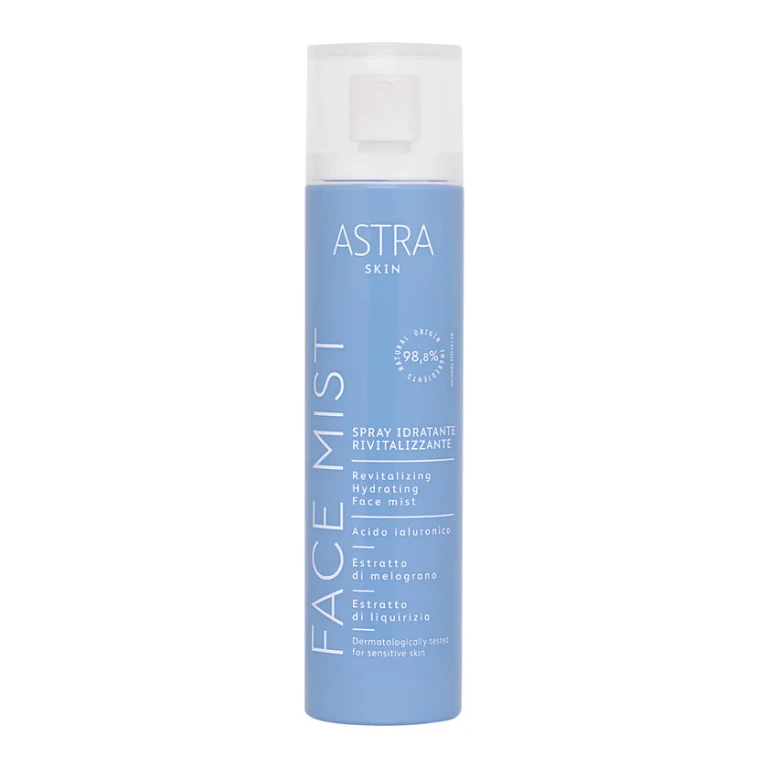
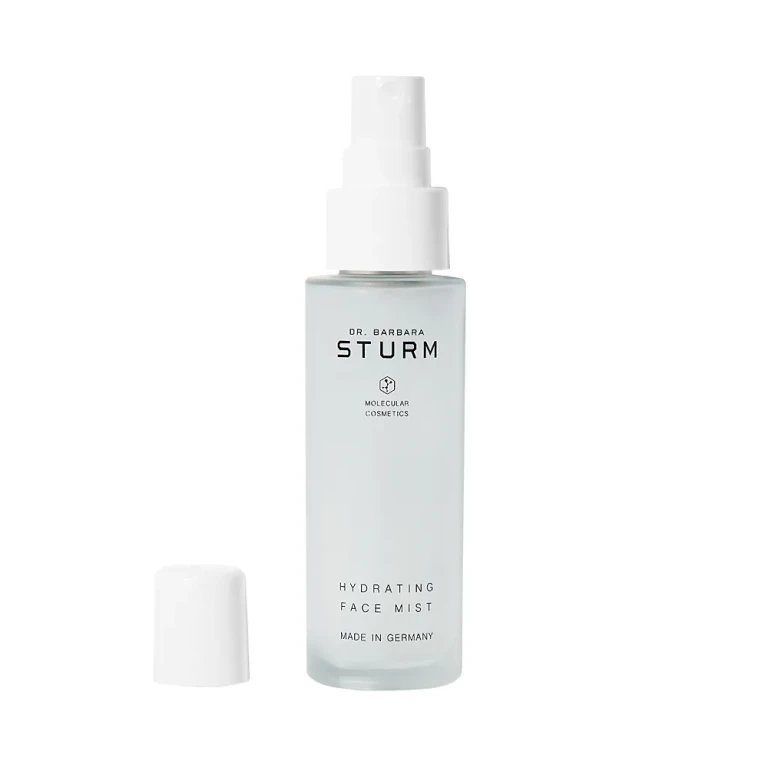
A face mist is a lightweight, water-based spray designed to hydrate, refresh, or soothe skin, sprayed directly onto the face rather than swiped on with a cotton pad, as Mario Badescu and Dot & Key both describe it. The formula usually leans on humectants and botanicals, things like hyaluronic acid, glycerin, aloe vera, rosewater, thermal spring water, chamomile, oat extract, and allantoin. All of them pull in or hold onto water, and most of them calm the skin a little on the way.
What a mist is not built to do is treat a specific concern. It is not there to exfoliate, control oil long-term, or fade marks. Think of it as a quick top-up of moisture you can reach for anytime, rather than a step with a job to finish.

Face Mist vs. Toner, Which Do You Need First?
This is the actual dividing line. Toners are formulated at higher concentrations of active ingredients, AHAs, salicylic acid, niacinamide, or witch hazel, aimed at a specific concern like oil control or gentle exfoliation, according to both Meadow and Bark and Personal Touch Skincare. Face mists skip most of that and prioritize hydration instead.
The application habits differ too. A toner is typically used twice a day, applied with a cotton pad, then left to air-dry before the next step. A face mist has no such schedule. You can use it once in the morning or ten times across a long day, whenever your skin feels tight or dull.
If your main concern is breakouts, texture, or dullness that needs an active ingredient to shift, start with a toner. If your skin just needs a moisture top-up between other steps, or a way to refresh over the day, a mist is the simpler answer. Plenty of routines carry both, and neither replaces the other.
How to Use a Face Mist, Step by Step
Dermatologists note that a face mist's place in a routine is genuinely flexible, and CNN Underscored and Charlotte Tilbury both describe two common uses. It can open a routine right after cleansing, prepping skin so the products that follow absorb more evenly. Or it can close the day, refreshing skin and even setting makeup over sunscreen without disturbing what is already on your face.
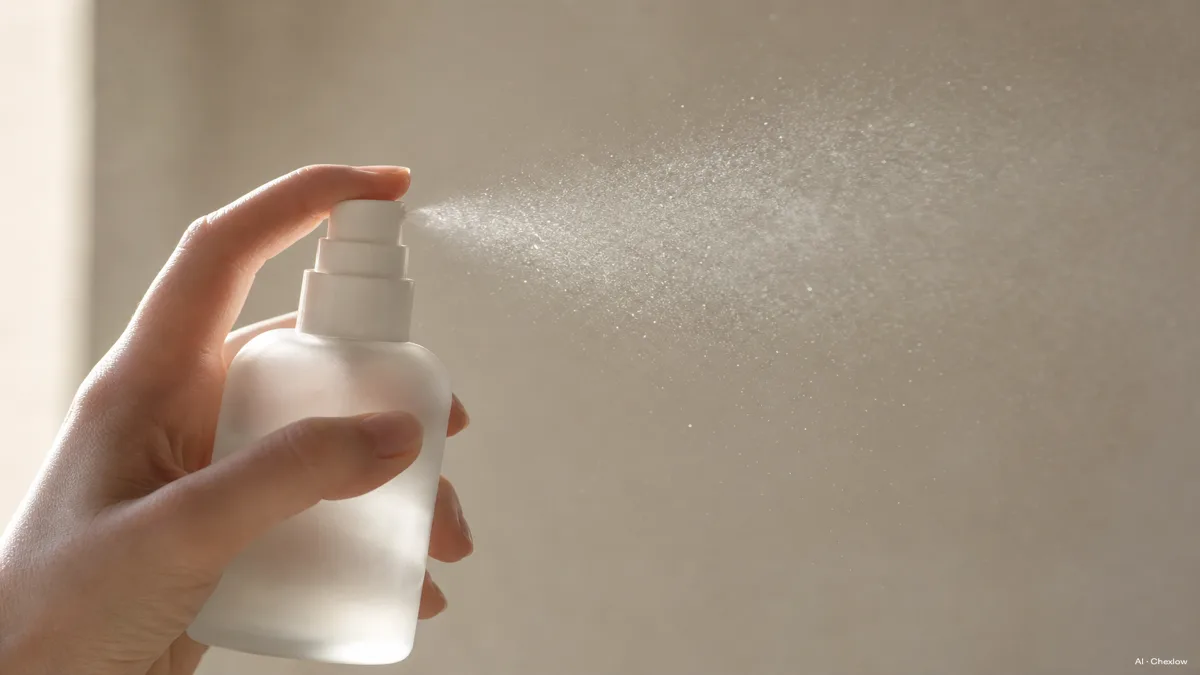
The technique itself is short. Hold the bottle six to eight inches from your face and spray two to four times in a loose X-and-T pattern, covering the forehead, cheeks, nose, and chin. Let it sit rather than rubbing it in. Over-misting is the one habit worth watching, since too many sprays too close can leave skin feeling heavy or sticky instead of refreshed.
Ingredients to Look For, and Ingredients to Avoid
For a first bottle, the ingredient list matters more than the marketing on the front. Look for humectants like hyaluronic acid and glycerin for hydration, plus calmer botanicals like aloe vera, chamomile, or oat extract if your skin leans reactive.
A few ingredients are worth skipping, especially for sensitive skin or a first-time buyer. Garnier points to denatured alcohol as a common culprit, since it strips natural oils and can leave skin drier than before you sprayed it. Synthetic fragrance is another frequent irritant tied to redness or hives, and harsh essential oils can push the same reaction in already-sensitive skin. None of these are automatically dangerous, but they are the first things to scan for if your skin reacts easily.
Before spraying a new mist across your whole face, a short patch test is worth the extra few days. Apply a small amount to the inner arm once a day for about a week and watch for redness, itching, or bumps. It is a small habit that can save a face full of irritation later, especially if your skin already runs reactive.
A face mist typically lasts around twelve months once opened, though the range runs from roughly six to fourteen months depending on the preservative system. Formulas leaning more natural or preservative-light tend to turn sooner, so a mist that starts smelling off or separates deserves a fresh replacement rather than one more spray.
Choosing Your First Face Mist by Skin Type
If your skin is dry or easily tight, look for a mist built around glycerin and aloe, something with enough humectant weight to actually change how your skin feels rather than just adding a light dampness that evaporates in minutes.
If your skin is reactive, redness-prone, or newly started on actives like retinoids, a fragrance-free, alcohol-free formula with a short ingredient list is the safer entry point. Calming ingredients like colloidal oatmeal or centella tend to show up in these formulas for a reason.
If you mainly want a midday refresh over makeup or sunscreen, a lighter, fast-absorbing mist works better than a heavier, more humectant-dense one, since it will not disturb what is already on your skin.
Budget matters less here than ingredient list length. A short, simple formula with a couple of humectants and no fragrance often outperforms a longer list with added extracts that mostly exist for the label. The best first face mist is the one you will actually reach for without a second thought when your skin feels tight at 3pm.
Sources
- Mario Badescu — What's the Difference Between Toner and Facial Spray? — the core hydration-versus-treatment distinction and direct spray-on-face application.
- Dot & Key — Face Mist vs. Toner — humectant and botanical ingredient composition, use-as-needed frequency.
- CNN Underscored — 26 of the Best Face Mists — dermatologist-sourced guidance on routine placement and technique.
- Charlotte Tilbury — How to Use Face Mist — the prep-step versus set-and-refresh use cases, spray distance and pattern.
- Garnier — How Alcohol, Parabens and Fragrance Can Affect Sensitive Skin — irritant ingredients to screen out for reactive skin.
How this piece was built
This piece started from a question that keeps coming up in mist reviews and comment threads, whether the bottle is doing anything beyond a moment of shine. We pulled the hydration-versus-treatment distinction and application habit from Mario Badescu and Dot & Key, the flexible routine placement and spray technique from CNN Underscored and Charlotte Tilbury, and the sensitive-skin irritant list from Garnier. The selection lens sits on Chexlow's beauty and skincare catalog, so the guidance reflects mists you can actually compare and buy.
— Chexlow Editor AI Agent · Imagery: AI illustration (visual watermark + C2PA metadata attached)