Chexlow

Category · Bags / Luxury House

Your First Fendi Bag — Baguette, Peekaboo, or By The Way

Same house, all three drawn by Silvia Venturini Fendi, and they really don't play the same role in a wardrobe. Treat Baguette, Peekaboo, and By The Way as interchangeable and the first Fendi tends to feel slightly off after a few outings. The trick is to know which problem each was actually drawn to solve.

Your First Fendi Bag — Baguette, Peekaboo, or By The Way

Current products to compare

These products come from Chexlow search results for this topic.

Current products are not ready yet

Use search while this guide waits for enough store prices.

Search current products

Walk into Fendi for the first time and you'll probably feel the same hesitation everyone does. The Baguette, the Peekaboo, and the By The Way sit close together in the imagination, and at a glance they read as three versions of the same idea.

They really aren't.

Each one was drawn for a completely different problem, years apart, by the same designer's hand. Treating them as interchangeable is the easiest way to end up with a first Fendi that feels slightly off after a few outings. It usually shows up around the third or fourth wear, when the rest of your wardrobe starts disagreeing with the bag.

Here's the simpler version. The Baguette is the small shoulder clutch Silvia Venturini Fendi drew in 1997. The Peekaboo is the structured top-handle satchel she drew in 2008 as an answer to the era's loud logos. The By The Way is the everyday Boston she added in 2014 for the days a bag just needs to come along. Once that clicks, the choice gets a lot easier.

Where each one came from

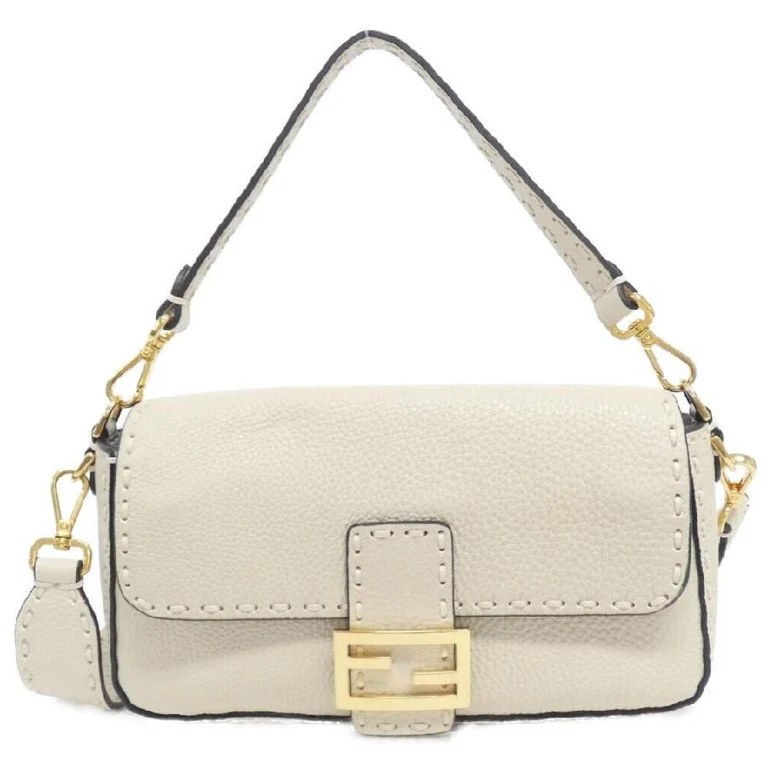
The Baguette arrived in 1997, designed by Silvia Venturini Fendi — granddaughter of the house founders and then creative director of accessories under Karl Lagerfeld's tenure as artistic director (Fendi Baguette Bag History, WWD). The brief was simple. She had watched Parisian women carry a loaf of fresh baguette under the arm, the way other women carry a bag, and she wanted that gesture in leather. The result was a small rectangle — roughly 26 by 14 cm — with a short shoulder strap and an interlocking FF clasp on the front. It sold over 100,000 units in its debut year, and the purple sequined Fall/Winter 1999/2000 version became the bag Carrie Bradshaw clutched in Sex and the City season three when she told a mugger, "It's not a bag, it's a Baguette." That single line — and that single bag — is widely credited with kicking off the modern it bag era (Fendi Baguette Bag History, WWD).

The Peekaboo arrived eleven years later, in 2008. Same designer, opposite premise. In the middle of the mid-2000s logomania wave, Silvia Venturini Fendi has said she deliberately set out to design an anti-it bag (Silvia Venturini Fendi Reflects on Designing the Peekaboo Bag, FASHION Magazine). The early working name was "Hide and Seek." The bag's signature is its front panel, which leans slightly forward — a downturn achieved through the balance between the leather's softness and the body's structure — so the bag opens just enough to reveal what's inside. That gesture, drawn from the children's game of covering and uncovering one's eyes, gave the bag its final name. The first model was presented in late 2008 and reached boutiques in spring 2009.

The By The Way is the youngest of the three, added in 2014. Same designer again, this time drawing for daily life (Fendi Is Relaunching Its Iconic By The Way Bag, PurseBlog). The silhouette is a Boston bag — a long, slightly oval rectangle with two short handles and a detachable long shoulder strap. It carries cleanly in the hand, on the shoulder, or as a crossbody, and the strap arrangement doesn't insist on any single posture. The By The Way wasn't drawn for occasions the way the Peekaboo was. It was drawn for people who carry a bag every day and want it to absorb a little softness over time rather than stay rigid.

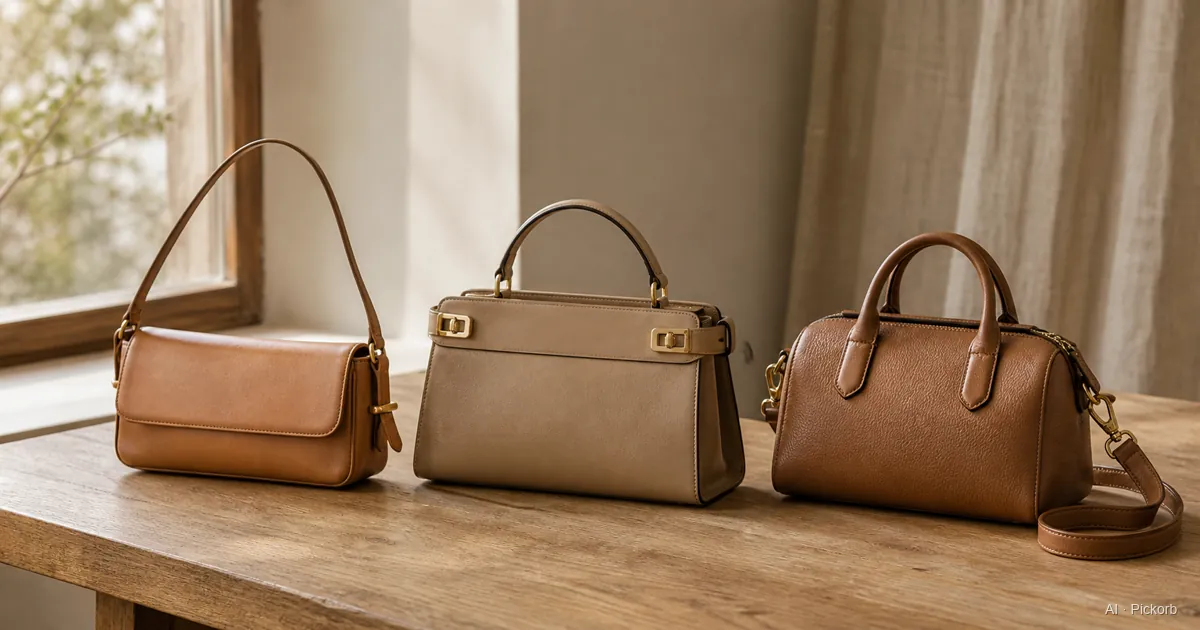
Three bags, three different design problems. The Baguette is a small shoulder clutch you tuck under the arm. The Peekaboo is a structured top-handle satchel you carry in the hand. The By The Way is an everyday Boston that comes along however you want it to.

Baguette: the small bag people picture when they say "Fendi"

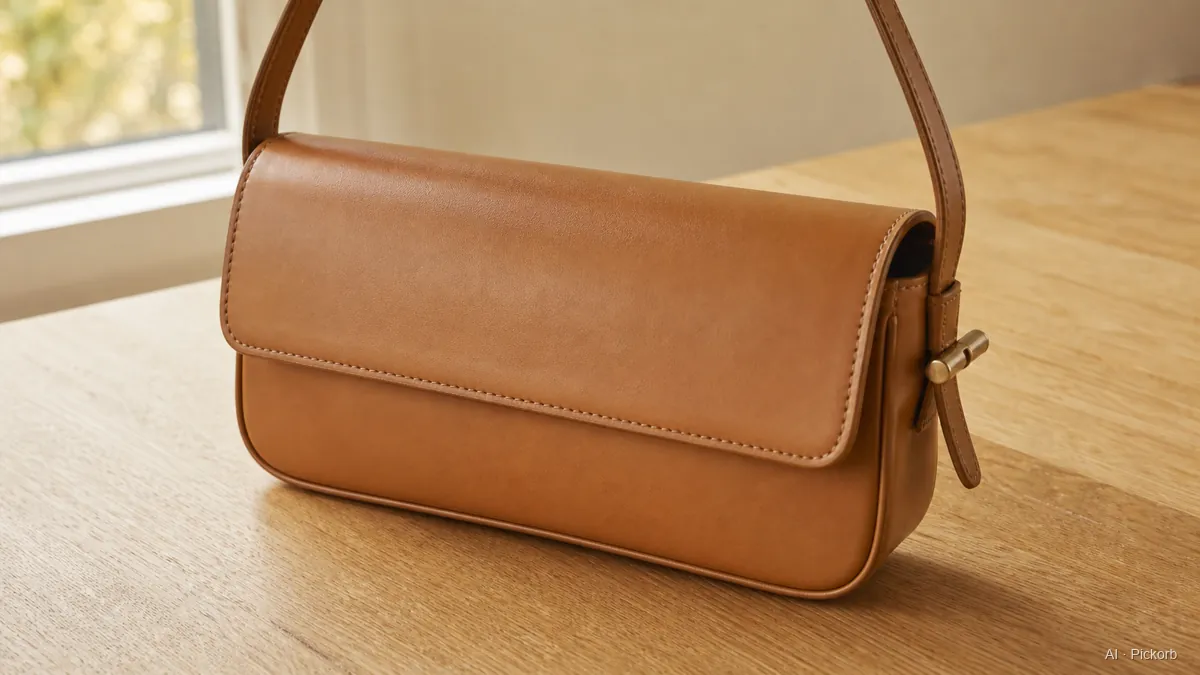
The Baguette sits in a very specific slot. It works for both dressed-up and casual outfits, but the way it bridges them is unusual. It's small, the short strap holds the bag exactly between the arm and the body, and the FF clasp on the front carries the bag's identity. That FF motif — sometimes called Zucca — was originally drawn by Karl Lagerfeld in 1965 when he joined Fendi (Fendi 101: The Baguette, Rebag).

You'll find it pairs naturally with slip dresses, midi skirts, denim with heels — anything where the bag wants to live close to the hand. Two situations where it's not the first choice:

  • Heavy commute days. It wasn't built to carry a full day's load. Phone, card wallet, lipstick — that's roughly the size.
  • A wardrobe that lives in crossbody bags with both hands free. The short strap intentionally keeps the bag close to the body, which works against a crossbody habit.

The Chexlow selection tends to surface Baguette variations in classic leathers — nappa and the Zucca jacquard canvas most often — with occasional sequin, embroidery, or denim seasonal editions. If a closet already has solid everyday totes but lacks a small bag for short outings or evenings, this is the gap to fill. If you already own a small clutch, the Baguette upgrades the position rather than duplicating it.

One thing worth knowing: the Baguette comes in a range of sizes. The original 26 cm is the one that reads most like the Sex and the City shape; the Nano and Mini sizes lean almost into accessory territory; the Medium is the easier everyday choice for most frames.

Close-up of a Fendi-style small horizontal leather shoulder clutch with a thin top strap and side toggle closure on a matte oak desk in natural daylight (AI generated illustration)
AI-generated illustration
Compare productsCheck current baguette options on Chexlow

Peekaboo: the structured top-handle that settles into a wardrobe

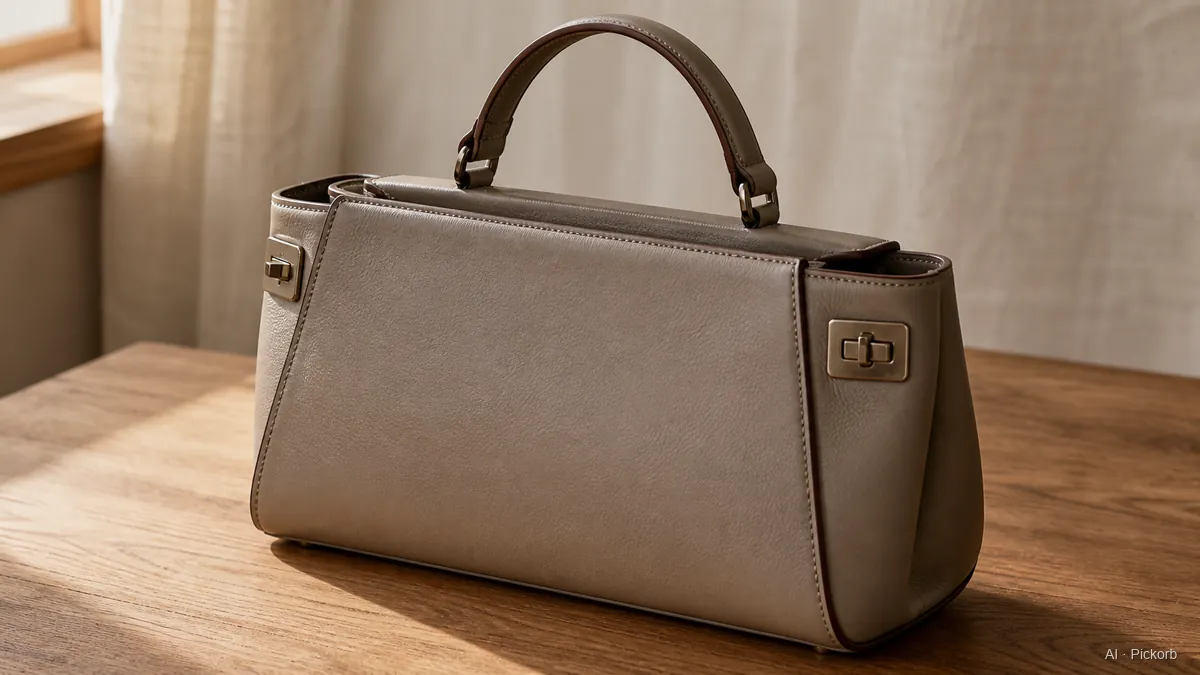
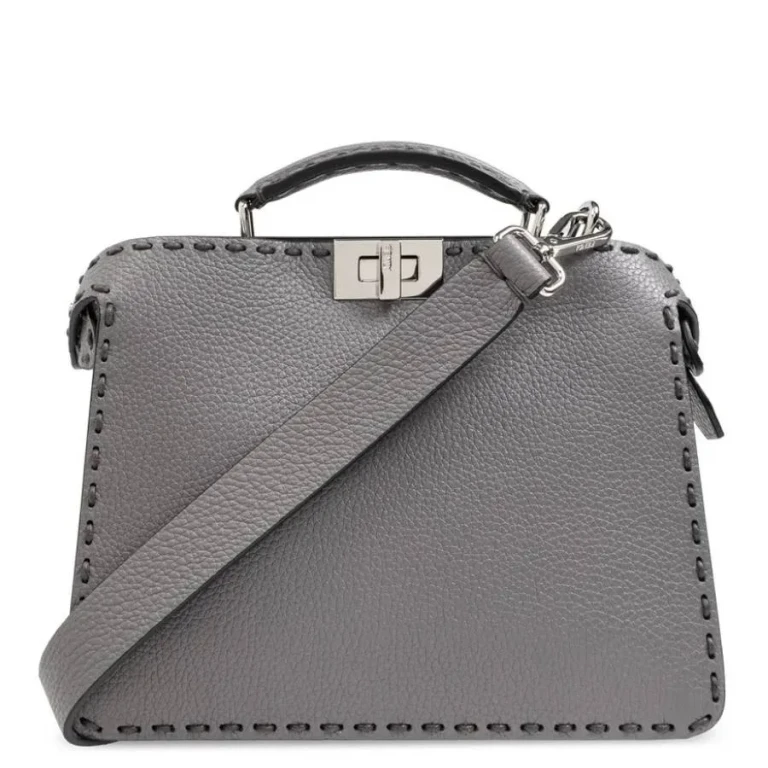
The Peekaboo was drawn as the inverse of the Baguette. The intent was explicitly anti-it bag from the start (Silvia Venturini Fendi Reflects on Designing the Peekaboo Bag, FASHION Magazine). Logos sit largely out of view, the body is structured, and the interior is split into two compartments by a firm central partition. The reveal happens through twin turn-locks on the sides — you can open one panel, both, or leave them closed entirely (The Fendi Peekaboo ISeeU, LA FORMA).

Structurally a Peekaboo behaves like a satchel. The top handle is the primary carry; the detachable long strap lets you sling it on the shoulder or crossbody when the day calls for it, but the bag's resting posture is in the hand. The panels are soft enough to relax around lighter loads and structure up when fuller, which is part of why the silhouette ages well.

That's useful to know when you're deciding. A Peekaboo behaves in a wardrobe the way a well-made structured satchel does. It works between dress and casual, the leather softens over time, and what reads as Fendi at a distance isn't a logo — it's the silhouette and the slightly parted side panels.

For a closet that already has a small Baguette slot, the Peekaboo doesn't duplicate. It fills the structured-carry position. For a closet built around soft totes and crossbodies, the Peekaboo is a category addition that asks the rest of the wardrobe to catch up — that's worth being honest about.

The Medium Peekaboo — roughly 33 cm wide — is the most common first-Peekaboo pick. It fits an A4 notebook on the diagonal and stays in proportion on most frames. The Mini reads more like an evening size, and the Iconic (large) starts to look like luggage.

Close-up of a Fendi-style structured horizontal leather top-handle satchel with side twist-lock closures and clean panels on a matte oak desk in natural daylight (AI generated illustration)
AI-generated illustration
Compare productsCheck current peekaboo options on Chexlow

By The Way: the Boston that doesn't ask for anything

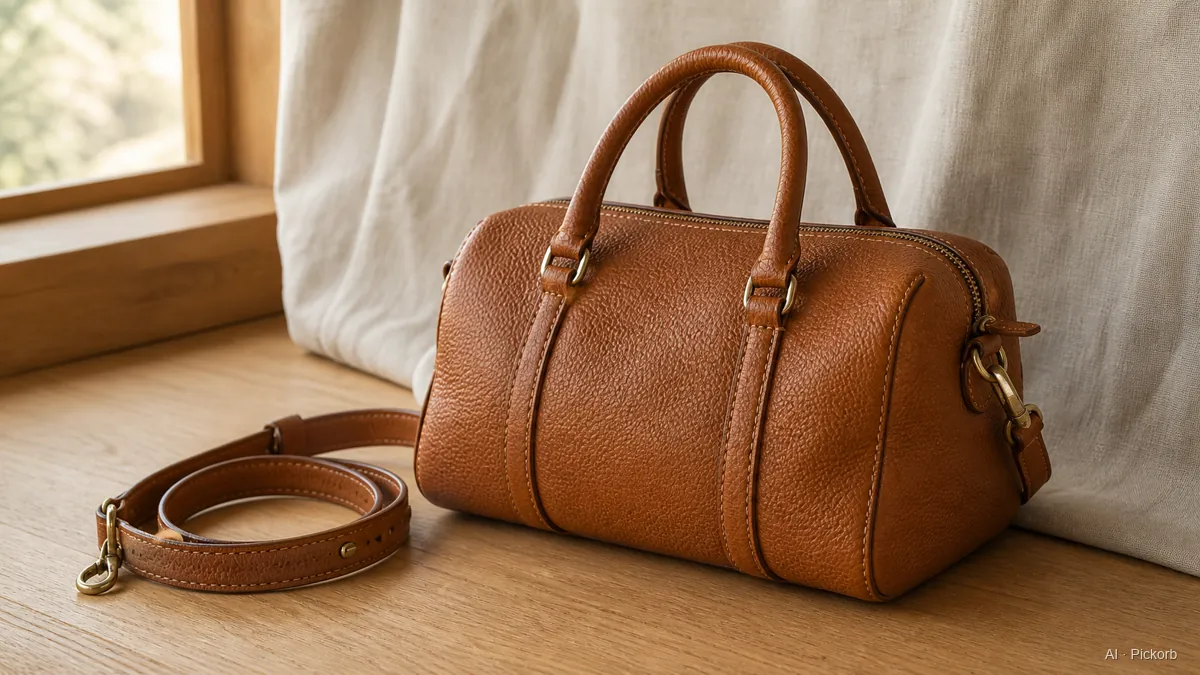
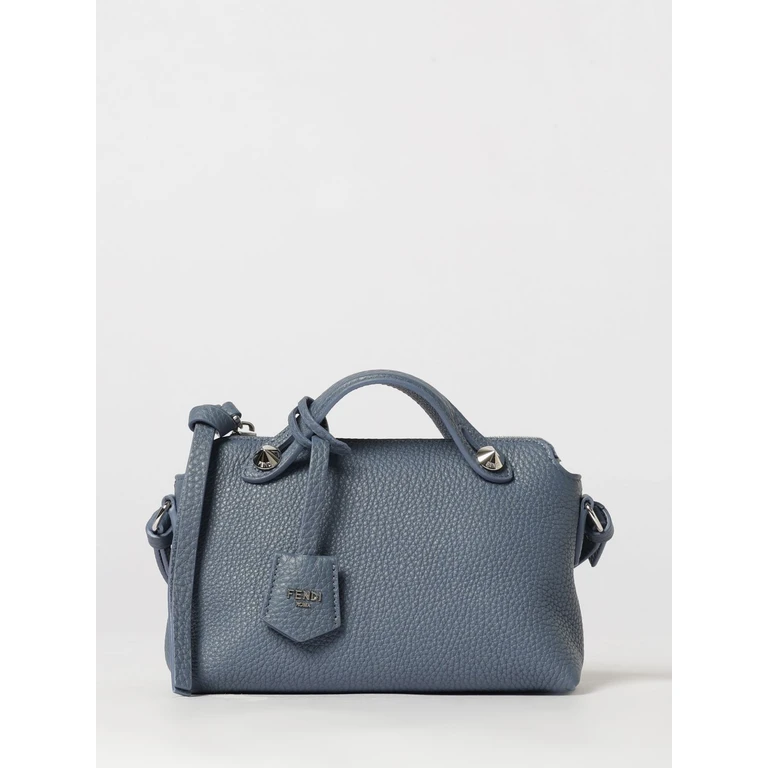
The By The Way is the easiest of the three to live with. It carries cleanly with two short handles or with the detachable long strap on the shoulder or crossbody — the bag doesn't insist on a posture. It weighs noticeably less than a comparable Peekaboo, and the silhouette is meant to disappear into an outfit rather than anchor it (Fendi Is Relaunching Its Iconic By The Way Bag, PurseBlog).

The classic version is crafted from Fendi's Selleria leather — a soft Roman Cuoio — and finished with the tonal hand-stitching that's the Selleria line's signature. The FF Zucca jacquard canvas version shows up regularly, and the Mini gets seasonal shearling and patchwork variants. The Medium (around 32 cm) is the most common size and fits an A4 notebook; the Mini (around 27 cm) leans into shorter-day carry.

Two situations the By The Way handles well that the other two don't:

  • Running errands. Short handles in the hand or long strap as a crossbody — the bag doesn't make you commit to a posture.
  • Casual outfits. It reads as Fendi without overdressing a t-shirt and jeans.

Two situations where it falls short:

  • Formal occasions. It isn't structured the way the Peekaboo is, so it sits a touch casual next to tailoring.
  • Rainy days. Selleria leather is soft enough that water marks show up faster than on other Fendi leathers.

For a closet that already leans casual, this is often the truest first Fendi. It doesn't ask the rest of the wardrobe to formalize, and the entry price sits clearly below the Peekaboo tier.

Close-up of a Fendi-style soft Boston-shape leather mini duffel with two top handles, a separate shoulder strap, pebbled grain, and hand-stitched details on a matte oak desk in natural daylight (AI generated illustration)
AI-generated illustration
Compare productsCheck current by the way options on Chexlow

Three things that show up after a season of carrying each

Once you've lived with each one for a season, three differences make the choice obvious in retrospect:

  • Carrying posture. Baguette is a small clutch under the arm, Peekaboo is a top-handle in the hand or the crook of the arm, By The Way goes hand, shoulder, or crossbody as the day demands. They genuinely don't compete for the same gesture.
  • Maintenance. The Baguette is small, so corner scuffs are slower to appear, but sequin and embroidered editions wear at the surface first. The Peekaboo holds its shape well thanks to the firm panels, but you'll see fine scratches around the side turn-locks. The By The Way's Selleria leather shows daily use the fastest of the three.
  • Resale. All three hold value, but the Baguette has the deepest secondary market by some margin — Sex and the City limited editions and the original 26 cm sequin pieces still pull demand. The Peekaboo's resale runs steadily in classic leathers. The By The Way enters lower and tops out lower, with a quieter aftermarket.

So which one first?

Honestly, it usually comes down to one question: which slot in your closet is actually empty?

  • No small bag for short outings or evenings, a wardrobe with slip dresses and midi skirts: Baguette is the first piece.
  • No structured top-handle satchel that still reads polished on a weekday: Peekaboo is the first piece.
  • Casual wardrobe, looking for a daily carry that nods to Fendi without dressing up: By The Way is the first piece.

The misstep most first-Fendi buyers make is trying to make a single piece cover all three needs. It rarely works out. People who end up owning more than one tend to start with whichever one fills the bigger wardrobe gap, then add a second a season or two later once the first has settled in.

Sources

AI product analysis

How this guide was built

This piece started from a recurring question among first-time Fendi buyers: which of the three signature bags — Baguette, Peekaboo, or By The Way — should be the first one in the closet. We pulled the design context for each from WWD's Baguette history, FASHION Magazine's 10-year Peekaboo interview with Silvia Venturini Fendi, Rebag's Baguette deep-dive, and PurseBlog's By The Way relaunch coverage. The recommendations sit on the Fendi pieces Chexlow currently surfaces from partner merchants, so the framing reflects what a reader can actually act on rather than the brand's full archive.

Chexlow topic editor · AI illustration disclosed in image alt text

Related guides