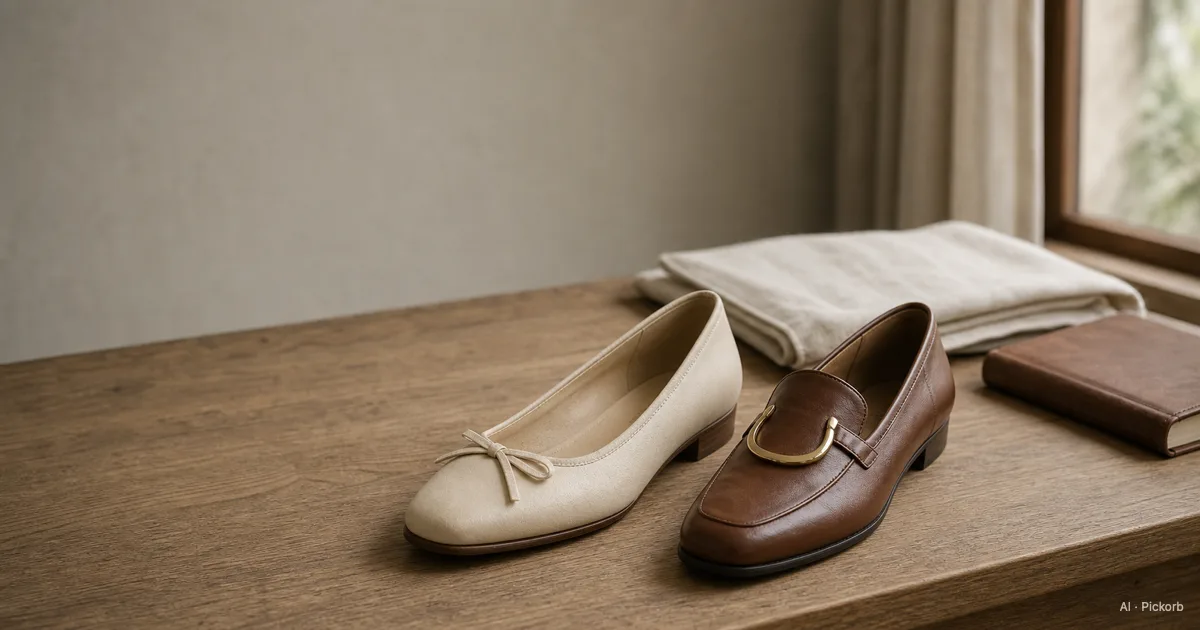
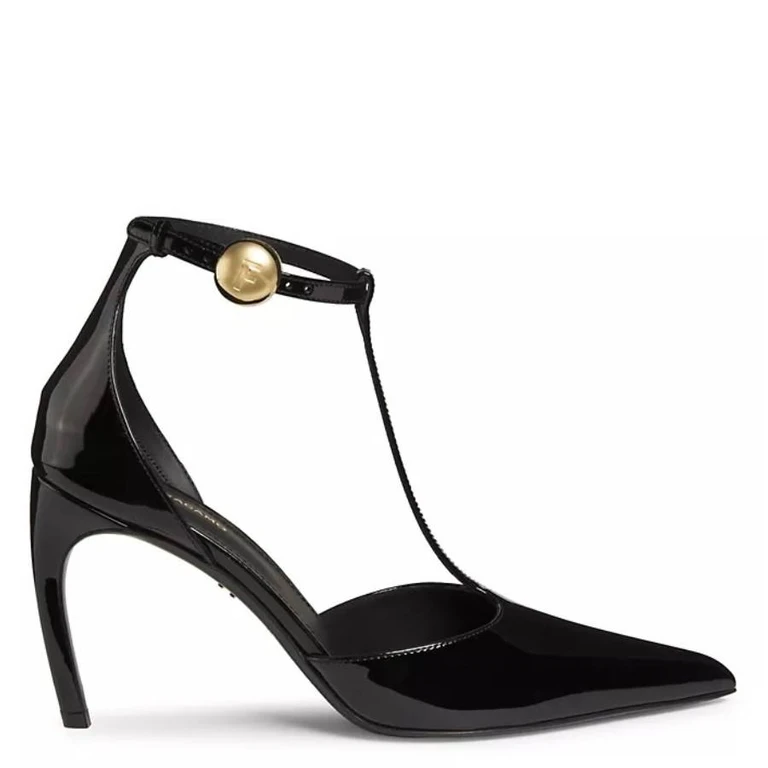
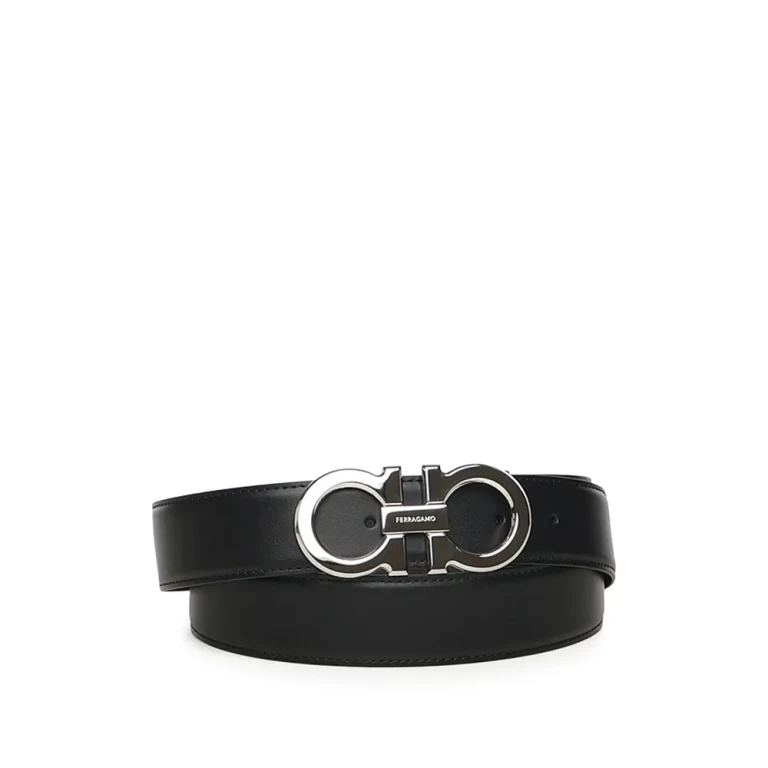
Most people who walk into Ferragamo for the first time pause at the same spot. The Vara ballet flat and the Gancini loafer sit next to each other in the lookbook, and at a glance they look like two versions of the same idea.
Honestly, they're not.
The two lines were drawn nine years apart, by different designers, with completely different problems in mind. Treating them as interchangeable is the easiest way to end up with a first Ferragamo that feels slightly off. It usually shows up around the second or third wear, when the rest of your wardrobe starts disagreeing with the shoe.
Here's the simpler version. Vara is a shoe. Gancini is a piece of metal that travels across shoes, bags, and belts. Once that clicks, the choice gets a lot easier.
Where each one came from
Vara, short for Variabile, was drawn in 1978 by Fiamma Ferragamo, Salvatore's eldest daughter (Salvatore Ferragamo Museum, Florence).
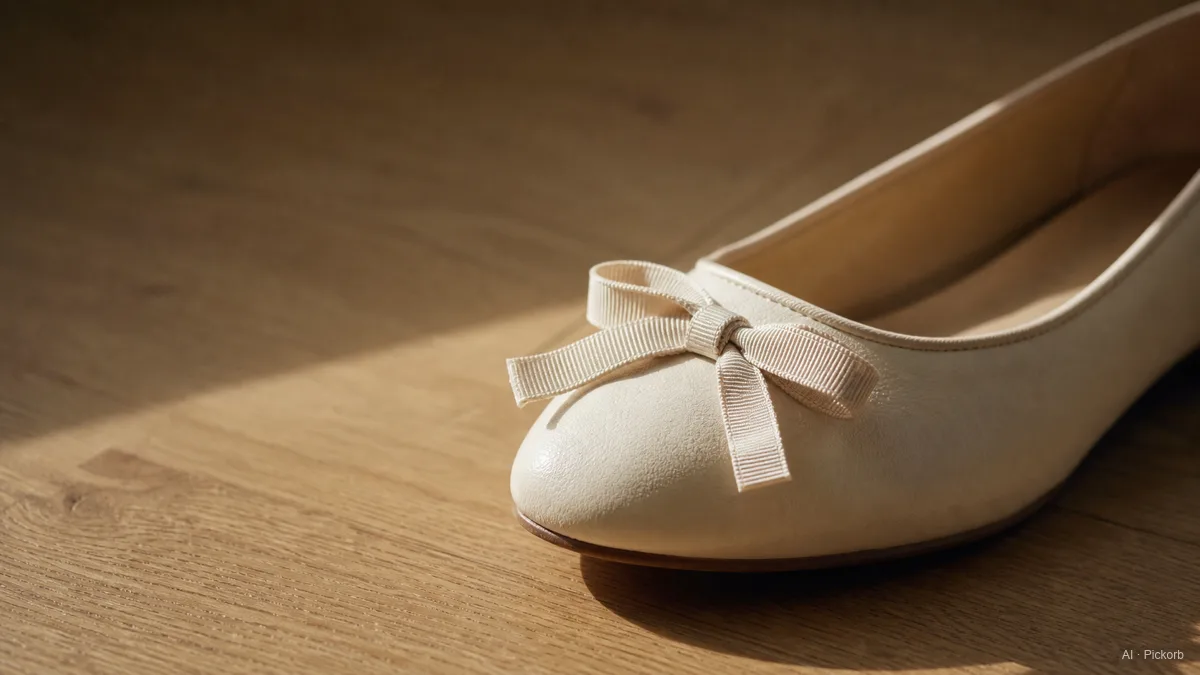
The brief was pretty specific. Fiamma needed a low-heeled flat that held its shape through a full working day, and she wanted one visual cue that would read as Ferragamo from across a room. The 1-inch heel and the grosgrain bow at the toe are the two things that have stayed identical on every Vara since.
The bow has a quiet practical reason, too. It sits right over the seam where the upper meets the vamp (the front piece of the shoe), and the hand-finishing reads cleaner with the bow covering that joint.
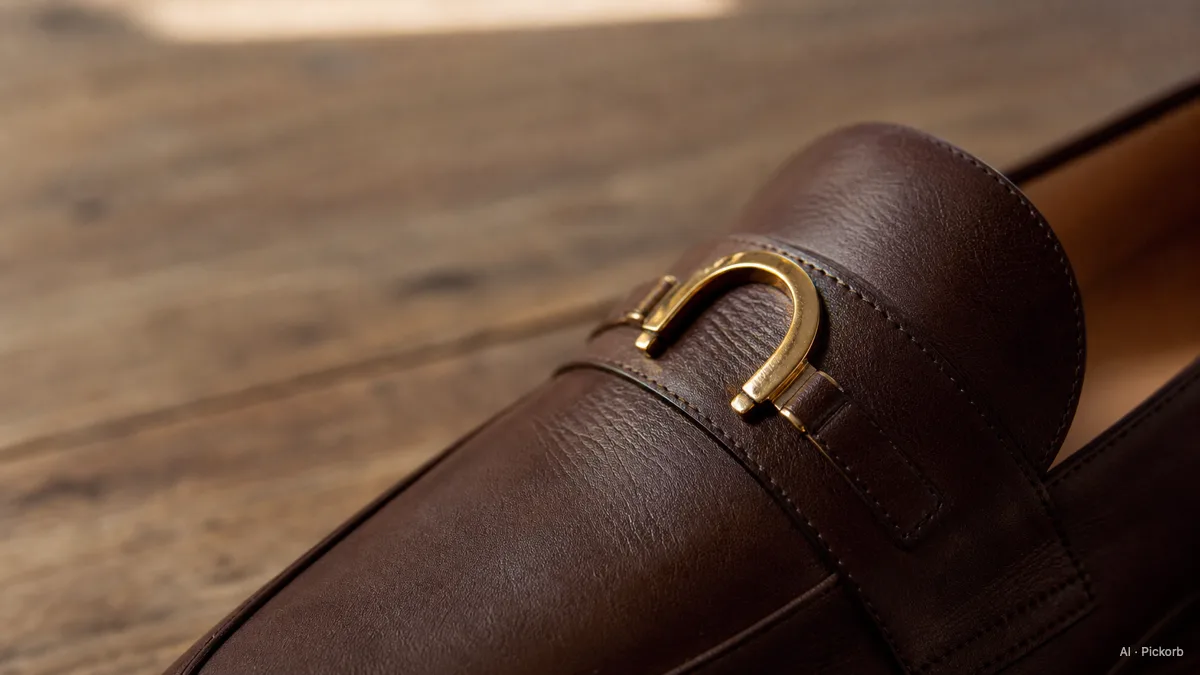
Gancini, Italian for little hook, predates Vara by almost a decade. It showed up in 1969, but not as a shoe at all. It started as a horseshoe-shaped metal closure for a handbag, and only later moved across to loafers, mules, belts, and small leather goods.
That difference matters more than it sounds. A Vara is a single shoe line with variations. A Gancini is a piece of hardware that signals "Ferragamo" no matter what it's attached to. They're genuinely not the same kind of thing.
Vara: the flat that fills the low-heeled gap
Vara sits in one very specific slot. Dressier than a sneaker, softer than a pump, and just visible enough at the toe that it works as the focal piece of an outfit rather than a supporting one.
You'll find it pairs naturally with midi skirts, cropped trousers, and slim denim. Two situations where it's not the right call:
- A suit. The bow reads slightly off-tone against sharp tailoring.
- Ankle-length wide trousers. The visual weight at the toe gets buried under the hem.
The Chexlow selection sits firmly inside the Vara family: bow-anchored flats and the Varina (a no-heel cousin Ferragamo introduced later). If a closet already has loafers and pumps but no low-heeled flat, this is the gap to fill. If the closet is sneaker-heavy, the Vara is a shift that can feel like a big step at once. That's worth being honest about.
One sizing note: the Vara runs true on Italian women's lasts and feels a little narrower in the toe box than equivalent French houses. Between sizes? Go down half. The bow vamp absorbs minor slack on its own.
Gancini: the hardware that makes a loafer read as Ferragamo
Gancini works the other way around. The hardware is the signal. The loafer body, the moccasin construction, the mule strap: all of that is just the surface the signal sits on.
Structurally, a Gancini loafer is a classic Italian leather loafer with a Ferragamo metal piece at the vamp. The construction is the same goodyear-welted, leather-sole shoe Ferragamo has been making since the 1950s (Salvatore Ferragamo Museum, Florence). The sole can be resoled when it wears down, so the shoe deepens with time. The hardware just makes it readable as Ferragamo at a distance.
That's actually useful to know when you're deciding. A Gancini piece behaves in a wardrobe the way any well-made Italian leather loafer does. It works between dress and casual, patinas slowly, and pairs with most things from chinos to wool trousers. The Gancini hardware is the Ferragamo signature on top.
For a closet that already has a loafer slot, the Gancini doesn't duplicate. It upgrades the position. For a closet built around flats and sneakers, the Gancini is a category addition, not a swap.
Three things that show up after a season of wearing both
Once you've worn each line for a season, three differences make the choice obvious in retrospect:
- Silhouette weight. Vara is busy at the toe (the bow), Gancini is busy at the vamp (the hardware). They don't compete. People who own both rotate them to different occasions naturally.
- Sole. Vara typically pairs a leather sole with a small rubber insert. Gancini loafers run closer to full leather sole. Gancini ages more gracefully on hard surfaces but slips more in rain. If you're only keeping one of these and live somewhere wet, Vara is the safer bet.
- Resale. Both lines hold value. Gancini has broader second-hand demand because the base design is more conservative. Vintage Gancini reads as "vintage Italian loafer with hardware." Vintage Vara reads more specifically as "vintage Vara."
So which one first?
Honestly, it usually comes down to one question: which slot in your closet is actually empty?
- No flat in your wardrobe and you wear dresses, skirts, and slim trousers: Vara is the first piece.
- Multiple loafers already and you want one that reads as a step up from across a room: Gancini is the first piece.
The misstep most first-Ferragamo buyers make is trying to make a single piece cover both needs. It rarely works out.
One more thing worth knowing: people who end up owning both lines tend to wear the Vara hardest in transitional seasons (spring, fall) and keep the Gancini as the year-round loafer. If you already know both are coming eventually, start with the one that fills your bigger wardrobe gap, and add the other a season later.
Sources
- Salvatore Ferragamo Museum, Florence — Vara 1978 design context and Fiamma Ferragamo bio
- Salvatore Ferragamo S.p.A. — Wikipedia — Gancini 1969 hardware introduction and house chronology
How this guide was built
This piece started from a recurring question: first-time Ferragamo buyers often confuse the Vara line with the Gancini line, and the wrong first choice tends to feel off after a few wears. We pulled the design context for both — Vara 1978 (designer Fiamma Ferragamo) from the Salvatore Ferragamo Museum's public archives, Gancini's 1969 hardware origin from the same archives and the Wikipedia house chronology — and used those to anchor the side-by-side. The framing then sits on the Ferragamo pieces Chexlow currently carries, so the recommendation reflects what a reader can actually act on rather than the brand's full historical catalog.
Edited by the Chexlow team · Images are AI-generated illustrations