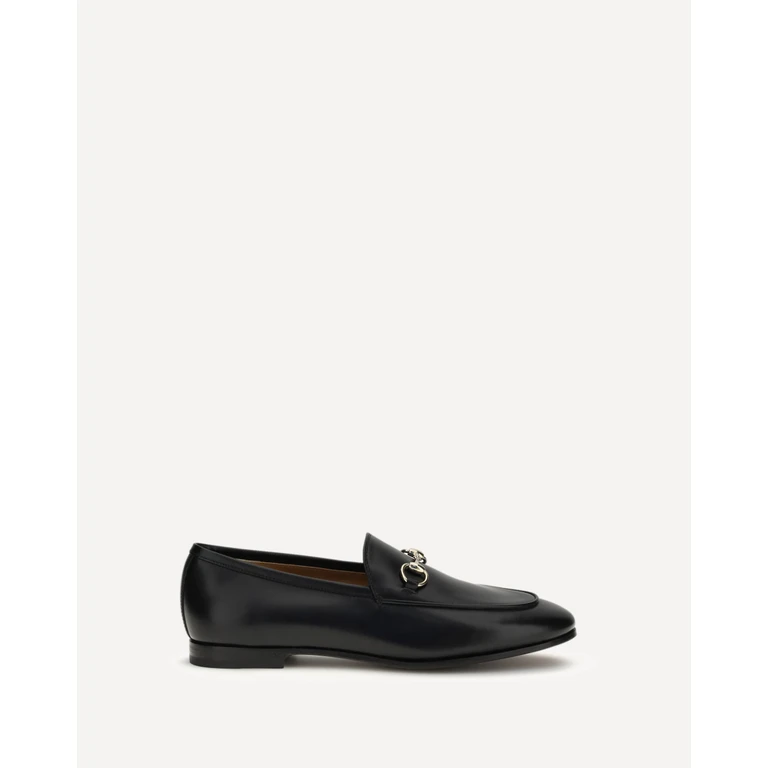
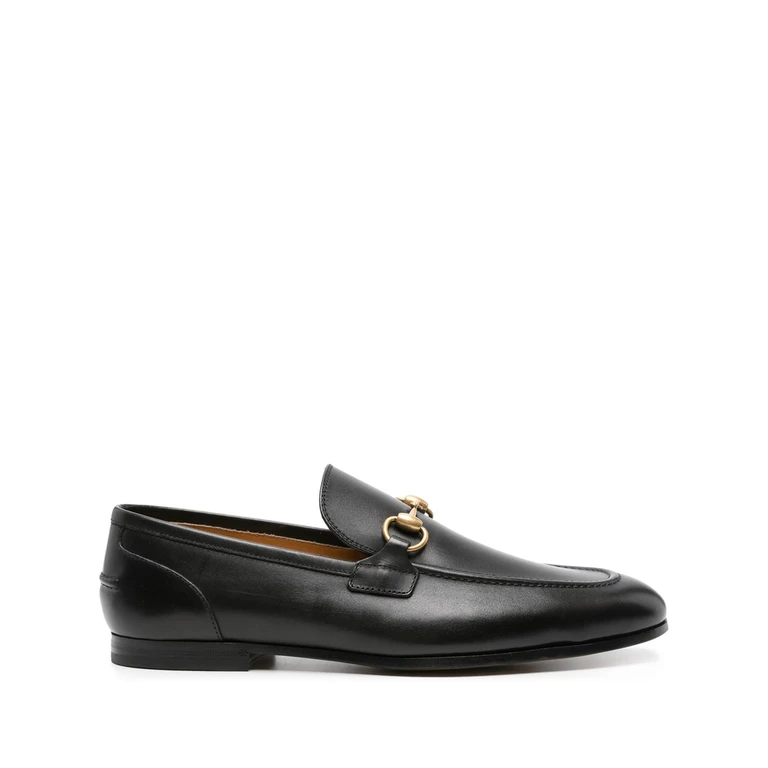
Walk into Gucci for the first time looking at loafers and you'll probably pause at the same spot. Horsebit 1953, Jordaan, and Princetown sit close together in the lookbook, all with the same gilded horsebit at the vamp, and at a glance they read as three versions of the same shoe.
Honestly, they're not.
The three were drawn decades apart, for completely different problems. Treating them as interchangeable is the easiest way to end up with a first Gucci loafer that feels slightly off after a few wears. It usually shows up around the third or fourth wear, when the rest of the wardrobe starts disagreeing with the shoe.
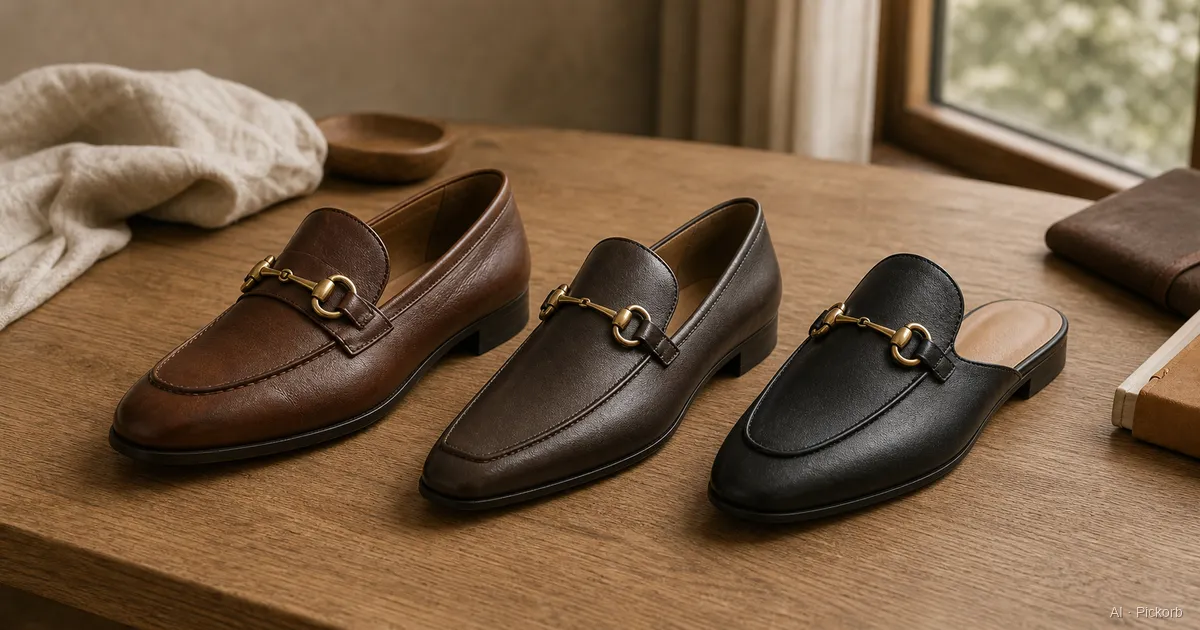
Here's the simpler version. Horsebit 1953 is the archive shape that started it all. Jordaan is a slimmed-down modern reading of that same shape. Princetown is something else entirely — a backless slipper that the horsebit just happens to ride on top of. Once that clicks, the choice gets a lot easier.
Where each one came from
The Horsebit 1953 made its debut in 1953. Aldo Gucci introduced the dressy loafer in response to the rise of comfortable American moccasins like the Bass Weejuns, and the elevated Gucci version — black lightweight leather, almond toe, gilded snaffle at the vamp — was an instant hit, especially in Italy (How the Gucci Horsebit Loafer Became the Original It Shoe, W Magazine; A History of Refinement: The Gucci Horsebit 1953 Loafer, Tatler Asia).
The horsebit hardware itself predates the shoe. The snaffle-bit motif — an actual piece of horse bridle equipment — first appeared on Gucci handbag clasps, belt buckles, and luggage closures in the late 1940s. Aldo, Rodolfo, and Vasco Gucci, the sons of founder Guccio Gucci, designed it as a homage to their father's fondness for equestrianism, before it ever migrated to a loafer (Guccio Gucci's Legacy Seen Through the House's Heritage Motifs, CR Fashion Book).
The Jordaan is the modern reading. Named after the upscale gallery district in Amsterdam, it took the same horsebit-and-leather vocabulary and gave it a slimmer profile, a slightly elongated toe, and noticeably smaller hardware. When Alessandro Michele took over Gucci's creative direction in 2015, the Jordaan settled into its current role as the streamlined, contemporary counterpart to the archive 1953 (Popular Gucci Jordaan Loafers, The Luxury Closet).
The Princetown is by far the youngest of the three. Alessandro Michele introduced it as a backless slipper in his debut Gucci collection — Autumn/Winter 2015 — controversially lined with fur and offered in baby pink leather, wool tweed, and embroidered cloth. For a few delirious years between 2015 and 2019, it was the buzziest shoe in luxury fashion, and it has stayed in the permanent line ever since (Fashion Is Devouring Itself: Gucci's 2015 Best-Selling Shoes, Grazia Daily; 70 years on, Gucci's horsebit loafer is still a coveted status symbol, CNN).
Three loafers, three different design problems. Horsebit 1953 is the archive shape carried forward. Jordaan is the same idea trimmed for a modern outfit. Princetown is a slipper that took the horsebit out of its loafer context and put it on something you can step into without bending down.
Horsebit 1953: the archive shape that sets the rest of the wardrobe
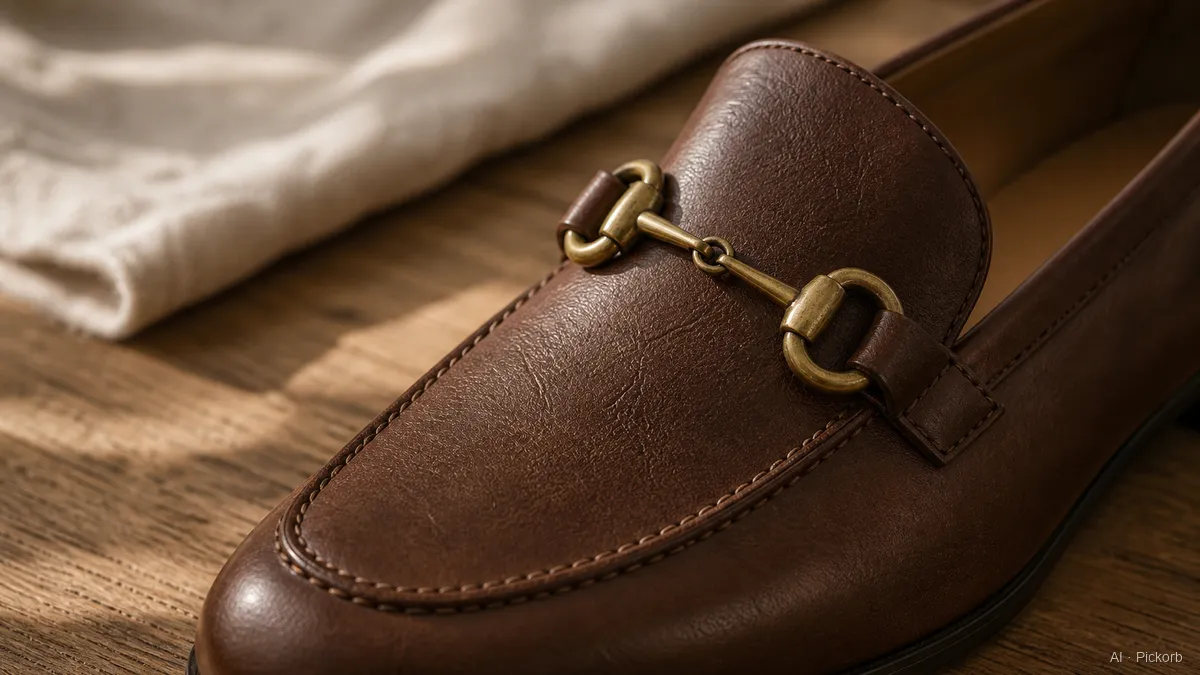
The Horsebit 1953 sits in a very specific slot. Heavier in the vamp than the Jordaan, with a rounder almond toe, a wider waist, and a more pronounced gilded snaffle that reads from across the room. The original silhouette has been adjusted in small ways over the decades, but the basic shape on the shelf today is unmistakably the 1953 outline.
You'll find it pairs naturally with wool trousers, cropped tailoring, and dark denim with some weight. Two situations where it's not the first choice:
- Sharp slim trousers. The fuller vamp can look mismatched against a very narrow trouser break.
- A wardrobe built around sneakers. The 1953 reads as the formal-leaning loafer it is, and asks the rest of the outfit to catch up a little.
The Chexlow selection sits firmly inside the archive family: Horsebit 1953 in classic black and brown leather, occasionally suede, mostly women's and men's adult sizing. If a closet has sneakers and dress shoes but no proper loafer, this is the gap to fill. If the closet already has a couple of modern loafers, the 1953 is a vertical step up rather than a duplicate — it brings the archive character no other version really has.
One sizing note: the Horsebit 1953 runs true on Italian lasts and feels close to other Italian loafers in width. Between sizes, hold the size. The interior leather softens with wear and the vamp doesn't have a lot of give the way the Jordaan does.

Jordaan: the slimmer modern reading that fits more outfits
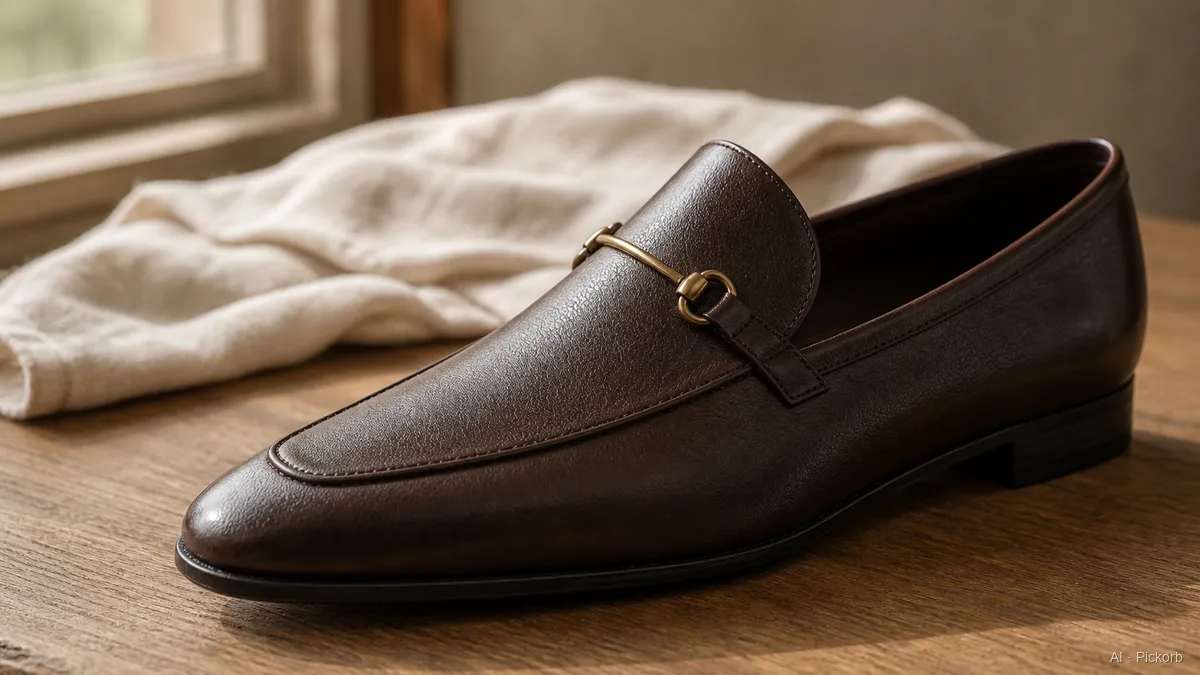
The Jordaan is the easier daily pick. Same horsebit, same leather vocabulary, but a lower profile, slimmer waist, slightly elongated toe, and meaningfully smaller hardware. It reads as a Gucci loafer at a closer distance than the 1953, which is exactly what makes it the more flexible of the two for contemporary outfits.
Structurally a Jordaan is still a horsebit loafer — the construction borrows the same vocabulary, just trimmed. The slimmer waist sits under a narrow trouser break without bunching, and the smaller bit sits flatter on the vamp so it disappears under a longer hem and shows clearly with a cropped cut.
That's actually useful to know when you're deciding. A Jordaan behaves in a wardrobe the way a modern Italian loafer does. It works between dress and casual, pairs cleanly with denim, wool trousers, and pleated trousers, and the smaller horsebit doesn't compete with a watch, a belt buckle, or pattern on the trouser. The hardware is just enough to read as Gucci without anchoring the outfit.
For a closet that already has the 1953 in heavy rotation, the Jordaan doesn't duplicate. It fills the lighter, more contemporary slot. For a closet built around sneakers, the Jordaan is a softer way into Gucci loafers than the 1953 — less of a step at once, more day-to-day wearable.
The Jordaan runs true on Italian lasts and feels slightly more forgiving in the vamp than the 1953 because the leather is thinner. Between sizes, going down half a size usually works.

Princetown: the backless slipper that started a whole moment
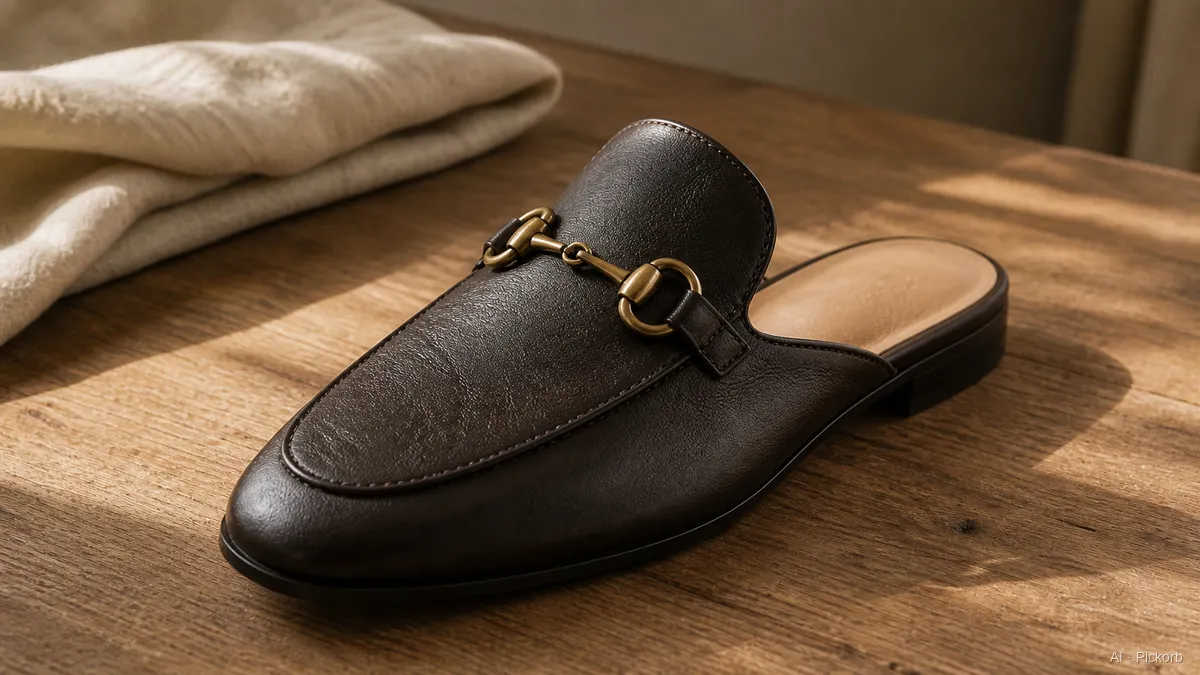
The Princetown is a different shape on a different problem. It's a backless slipper — the heel counter is cut away so you step in and out without bending — with the horsebit sitting on the vamp where it would on a loafer. Alessandro Michele introduced it in his Autumn/Winter 2015 collection, and for the years that followed it was the most-photographed shoe in luxury fashion (Fashion Is Devouring Itself, Grazia Daily).
The Princetown does two things the other two don't, and it falls short in two predictable places.
Where it works:
- Indoor-outdoor wear. Slip on, slip off. No back means no struggle at the door.
- Visible character. The fur lining or embroidered fabric makes the shoe read as a piece of the outfit, not a base layer.
Where it doesn't:
- Long days on hard surfaces. The cutaway heel means no real support, and the foot slides slightly with each step.
- Formal occasions. It reads as a house slipper that escaped the house. That's part of its charm, but it's not the loafer for a meeting.
For a closet that already has a Horsebit 1953 or a Jordaan, the Princetown is a category addition — it doesn't replace either. For a closet looking for a Gucci entry point with maximum visible character and minimum formality, the Princetown is often the one people actually reach for.
Sizing on the Princetown runs slightly larger than the 1953 and Jordaan because the foot has to be held in by the vamp alone. Between sizes, going down a half is the safer call.

Three things that show up after a season of wearing each
Once you've lived with each one for a season, three differences make the choice obvious in retrospect:
- Posture. Horsebit 1953 walks like a dress loafer, Jordaan walks like a slipped-on modern loafer, Princetown walks like a slipper. They genuinely don't compete for the same gesture.
- Hardware presence. The 1953's larger snaffle dominates the vamp; the Jordaan's smaller bit recedes; the Princetown's bit floats on a backless silhouette that already has plenty of visual weight from the fur or the upper material.
- Resale. All three hold value, but the 1953 has the deepest secondary market — the archive provenance carries through. Jordaan is steady and broad. Princetown is more cyclical, with peaks tied to fur-free editions and material runs.
So which one first?
Honestly, it usually comes down to one question: which slot in your closet is actually empty?
- No proper formal-leaning loafer, a wardrobe with wool trousers and tailoring: Horsebit 1953 is the first piece.
- No modern everyday loafer, a wardrobe leaning casual with some denim and pleated trousers: Jordaan is the first piece.
- Indoor-outdoor wear or a desire for visible character with no formal pressure: Princetown is the first piece.
The misstep most first-Gucci buyers make is trying to make one of the three cover the work of the other two. It rarely works out. People who end up owning more than one tend to start with whichever fills the bigger wardrobe gap, then add a second a season later once the first has settled in.
Sources
- How the Gucci Horsebit Loafer Became the Original It Shoe, W Magazine: Horsebit 1953 debut in 1953, Aldo Gucci introduction context, Bass Weejuns comparison.
- A History of Refinement: The Gucci Horsebit 1953 Loafer, Tatler Asia: 1953 introduction, snaffle-bit design origin.
- Guccio Gucci's Legacy Seen Through the House's Heritage Motifs, CR Fashion Book: horsebit hardware origin in late 1940s on handbag clasps and luggage, designed by Aldo, Rodolfo, and Vasco Gucci.
- Popular Gucci Jordaan Loafers, The Luxury Closet: Jordaan named after Amsterdam district, slim profile, modern reading of the Horsebit 1953.
- Fashion Is Devouring Itself: Gucci's 2015 Best-Selling Shoes, Grazia Daily: Princetown debut in Alessandro Michele's Autumn/Winter 2015 collection, fur lining, hype peak 2015–2019.
- 70 years on, Gucci's horsebit loafer is still a coveted status symbol, CNN: Princetown context within the Michele-era Gucci footwear landscape.
How this guide was built
This piece started from a recurring question among first-time Gucci loafer buyers: among the three most-asked silhouettes — Horsebit 1953, Jordaan, and Princetown — which one belongs in the closet first. We pulled the design context for each from W Magazine and Tatler Asia editorials on the 1953 archive, CR Fashion Book on the horsebit hardware origin, and CNN / Grazia Daily on the Princetown's 2015 Alessandro Michele debut. The recommendations sit on the Gucci pieces Chexlow currently surfaces from partner merchants, so the framing reflects what a reader can actually act on rather than the brand's full archive.
Chexlow topic editor · AI illustration disclosed in image alt text