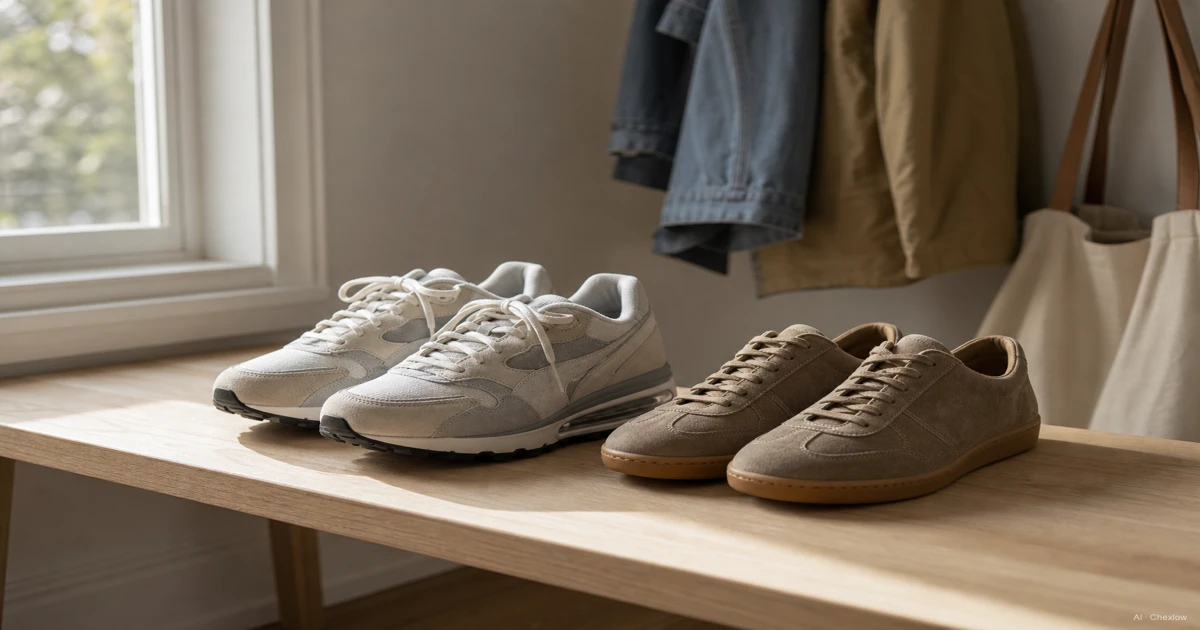
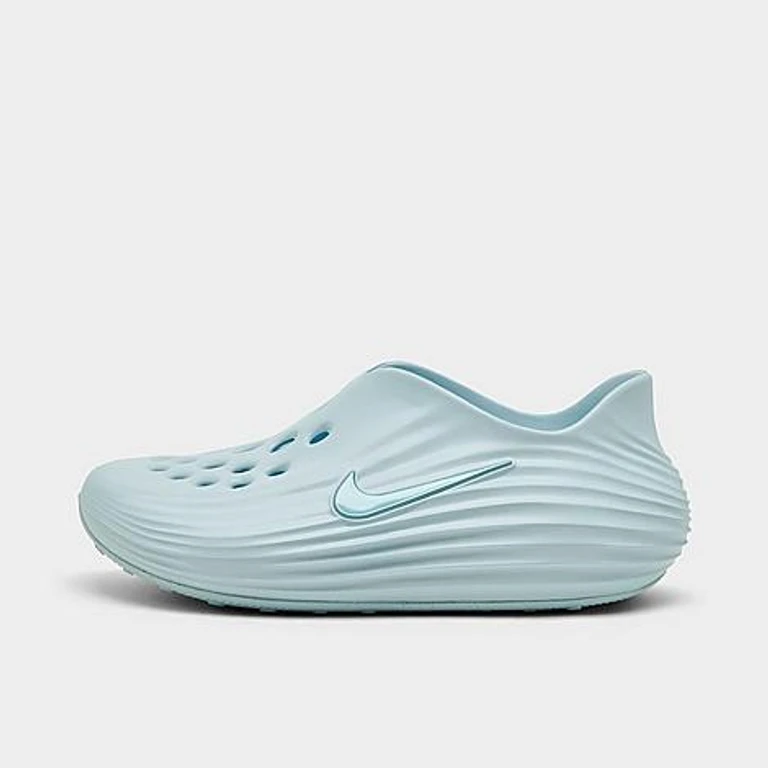
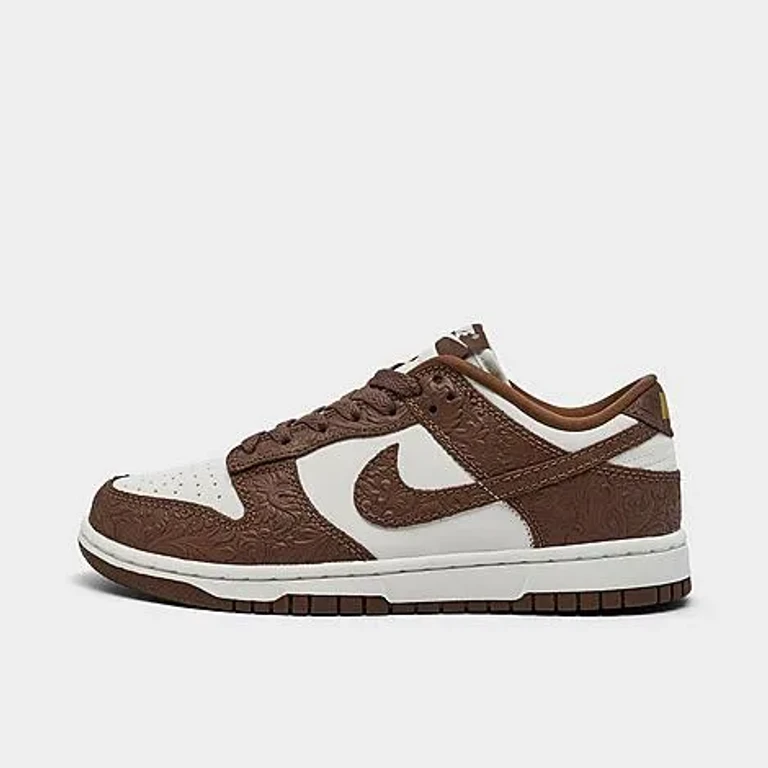
You've probably owned or wanted both. Air Max shows up in every sneaker rotation conversation because the cushioning is visible, almost sculptural. Samba shows up because it's the shoe stylists keep pointing to as the quiet, works-with-everything option. They rarely get compared directly, because on the surface they don't look like rivals. But they're both answering the same underlying question, how do you build a shoe around one specific engineering idea and let that idea define the whole silhouette.
Once you see what each shoe is actually solving for, the choice between them stops being about hype and starts being about your feet, your wardrobe, and how you actually use a sneaker day to day.
What makes Nike Air Max and Adidas Samba different at a glance
Air Max traces back to 1987 and the original Air Max 1, designed by Tinker Hatfield. The idea itself came almost a decade earlier, in 1978, when Nike's Tailwind introduced a pressurized-gas midsole built on aeronautical engineer M. Frank Rudy's patented pouch concept. Hatfield's contribution to the Air Max 1 was making that hidden pressurized-air system visible for the first time, inspired by the exposed structural piping of Paris's Centre Georges Pompidou (Nike Air Max, Wikipedia). Since then the amount and placement of visible air has changed across the line. The retro Air Max 1 shows one small window at the heel. The Air VaporMax, decades later, replaces almost the entire foam midsole with stacked air chambers.
Samba goes back further and starts somewhere completely different, an icy football pitch in 1949. Adolf Dassler designed it as a training shoe for hard, frozen winter ground, with a gum rubber outsole chosen specifically for traction on that surface (Adidas official blog). The silhouette most people picture today, suede upper, gum sole, three stripes, was formalized as an Adidas Originals release in 1972, and it went on to become a dominant indoor five-a-side soccer shoe through the 1970s and 80s (soccer.com).
So the two shoes start from opposite engineering problems. Air Max is about making impact absorption visible and adjustable. Samba is about minimal material doing one job, grip on a specific surface, extremely well.
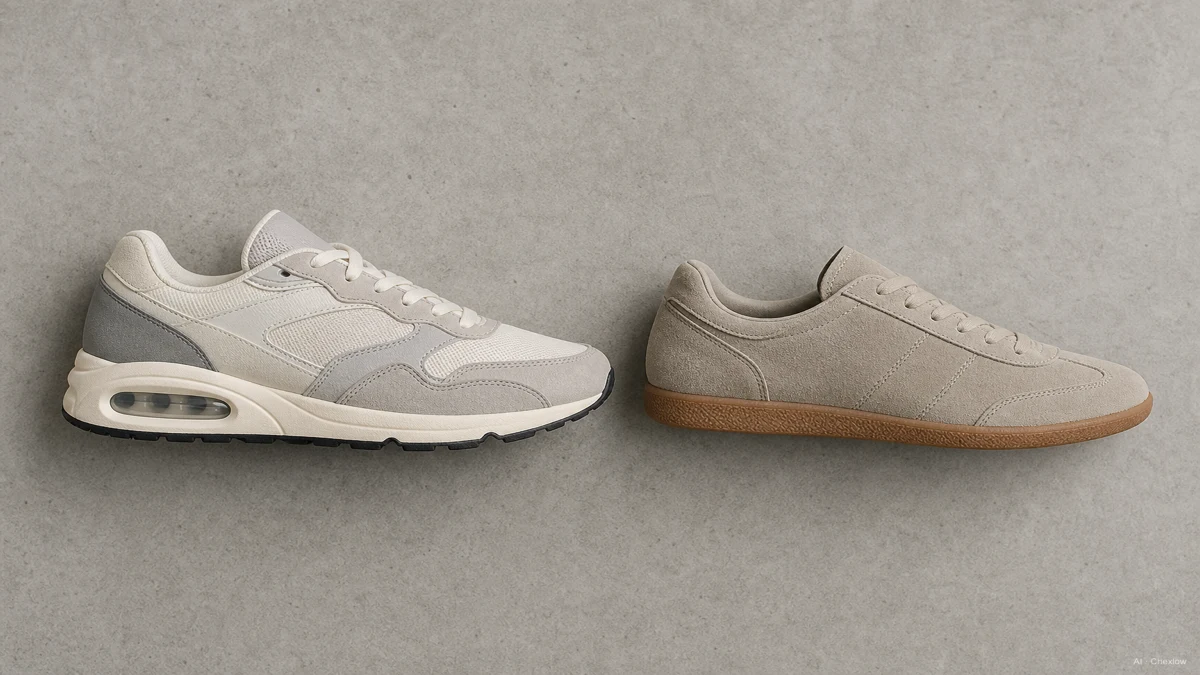
Design and technology, air cushioning vs gum-sole construction
Air Max midsoles use flexible TPU (thermoplastic polyurethane) pouches filled with pressurized gas, visible from outside the shoe, engineered to absorb impact while cutting weight compared to solid foam (Nike Air Max, Wikipedia). The engineering goal is direct, more give underfoot without adding bulk, and a visual cue that tells you exactly how much cushioning you're standing on. Different models in the line dial this up or down, so an Air Max 1 with a small heel unit feels and looks very different underfoot from a VaporMax with air running nearly the full length of the shoe.
Samba takes the opposite approach. There's no dedicated cushioning technology to speak of, the construction is a suede or leather upper, a canvas tongue, a thin EVA sockliner, and a slim gum rubber outsole (soccer.com). Nothing is hidden and nothing is amplified. The gum rubber itself is the whole story, it grips well on hard, smooth surfaces, which is exactly what made it useful on icy pitches and indoor courts in the first place.
Worth knowing, before you buy on the Samba name alone. The Adidas Gazelle shares the suede-and-stripes look almost exactly, but it drops the gum rubber outsole for a standard rubber sole, which makes Gazelle a casual, non-sport silhouette rather than the indoor-soccer shoe Samba actually is (Wikipedia). If the gum sole and its distinct grip and looks matter to you, check the outsole material before checkout, not just the stripes.
Comfort, weight, and everyday wearability
This is where the two shoes feel most obviously different on foot. Independent comparison testing that puts an Air Max model next to a Samba consistently finds the Air Max heavier, largely because of the thicker foam midsole plus the added air unit, against Samba's thin sockliner and slim sole stack (Runnea comparison). A Samba typically runs in the neighborhood of 380 to 400 grams per shoe, noticeably lighter on foot than a cushioned Air Max model.
That weight difference is really a cushioning trade-off. Air Max's foam-plus-air stack gives more shock absorption, which shows up on long days of walking or standing on hard pavement. Samba's minimal sole gives you more ground feel, more direct contact with the surface underfoot, at the cost of that extra shock absorption. Neither is objectively more comfortable, they're comfortable for different kinds of days. If your daily wear involves a lot of standing or walking on concrete, the Air Max cushioning earns its extra weight. If you want a light shoe you barely notice on your foot for a few hours at a time, Samba's minimal build is the more forgettable-in-a-good-way option.
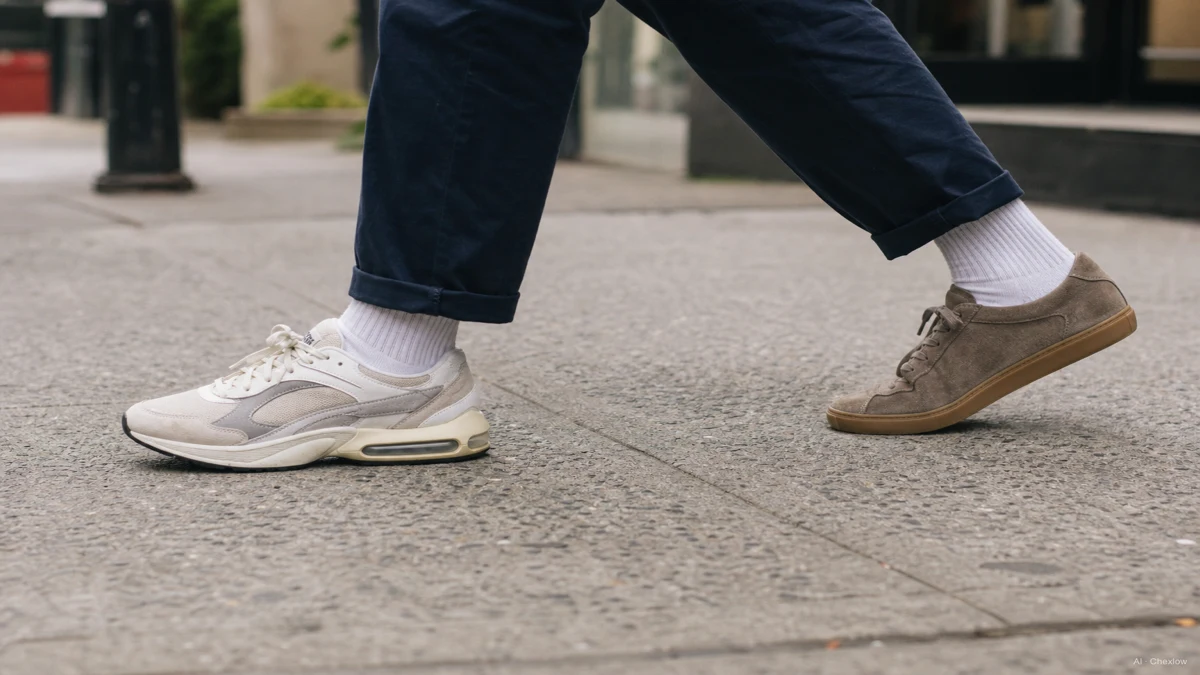
Style and outfit versatility, which fits your wardrobe
Samba's whole visual language is restraint, a low-profile silhouette, suede in muted tones, and a slim gum sole that doesn't add height or visual weight. That reads as understated and retro-casual, which is exactly why it pairs easily with jeans, tailored trousers, shorts, or a smart-casual outfit without fighting anything else you're wearing. 2026 sneaker-trend coverage keeps describing Samba the same way, a settled classic that stylists reach for precisely because it doesn't try to be the loudest thing in the outfit (StyleCaster).
Air Max reads as the opposite kind of statement. The exposed air unit, the layered material panels, and the chunkier midsole profile all make it a bolder, more sculptural shoe, one that's meant to be noticed rather than blend in. Recent editorial coverage of newer takes like the Air Max Muse SE frames them as fresh, more elevated versions of that same statement-sneaker idea, not a quieter direction for the line (Complex, Yahoo Shopping, Grazia 2026 coverage). If your wardrobe already leans toward simple, muted pieces, Air Max can be the accent that gives an outfit a focal point. If your wardrobe is already busy, Samba is less likely to compete with it.
Which one should you buy, use-case recommendations
Start from how you actually plan to wear the shoe, not from whichever one is trending this month.
Long days on hard pavement. Air Max's thicker cushioning does real work here. If you're on your feet for hours, standing or walking on concrete, the extra shock absorption is the practical reason to choose it over Samba.
A light shoe for a few hours at a time. Samba's slim build and lower weight make it the easier shoe to forget you're wearing. Errands, casual outings, anything that doesn't demand all-day cushioning.
Building a quiet, works-with-everything wardrobe. Samba's understated suede and gum sole slot into jeans, chinos, or shorts without becoming the focal point of the outfit. It's the safer single pair if you want one shoe that goes everywhere.
Wanting a visible design statement. Air Max's exposed air unit and sculptural midsole are meant to be seen. If you want the shoe itself to be the talking point, that's the actual job Air Max is built for.
Buying the classic Samba specifically for the gum sole and grip. Check that you're getting the Samba Classic or OG with the true gum rubber outsole, not the Gazelle, which looks similar but swaps in a standard rubber sole and loses that traction and indoor-soccer heritage (Wikipedia).
Wanting a dressier, lower-profile Samba variant. The Samba Jane trades the classic lace closure for a Mary-Jane strap and a slightly lower profile, aimed at styling rather than durability or grip (Sneaker Freaker buyers guide). It's a styling choice, not a replacement for the Classic's gum-sole practicality.
Neither shoe is the universally better sneaker. Air Max is engineering you can see and feel underfoot. Samba is restraint that earns its place by doing one thing, grip and understatement, very well. Once you know which problem you actually need solved, the choice mostly makes itself.
Sources
- Nike Air Max, Wikipedia for the 1987 Air Max 1 debut, Tinker Hatfield's design, the 1978 Tailwind and M. Frank Rudy's pressurized-gas patent, and how visible air unit size varies across the line.
- Adidas Samba, Wikipedia for the 1949 Adolf Dassler design, the 1972 Originals silhouette, and the Gazelle's non-gum outsole distinction.
- We Gave the World a Samba: A Legendary Shoe With a Rich History, Adidas official blog for Samba's original icy-pitch training purpose.
- A Deep Look into the adidas Samba, soccer.com for construction detail and its run as a dominant indoor five-a-side shoe.
- Buyers Guide, Sneaker Freaker for the Samba Classic vs Samba Jane variant breakdown.
- Nike Air Max SC vs Adidas Samba Vegan, Runnea for weight and construction comparison figures.
- 2026's Biggest Sneaker Trends, StyleCaster for current styling and trend positioning of both silhouettes.
How this guide was built
This piece started from a comparison shoppers keep making without quite knowing why, Air Max and Samba turn up in the same closet constantly but almost never get compared directly. We traced the design origin of each silhouette through Wikipedia, Adidas's own brand blog, and soccer.com's construction breakdown, then anchored the comfort and weight claims in Runnea's independent side-by-side comparison rather than either brand's marketing copy. The styling and trend framing draws on 2026 sneaker-trend coverage from StyleCaster, and the Samba variant detail (Classic vs Jane, and the Gazelle's non-gum-sole distinction) comes from Sneaker Freaker's buyers guide and Wikipedia. The topic sits in Chexlow's sneakers cluster, so the use-case guidance connects to pairs readers can actually browse and compare on the platform. — Chexlow Editor AI Agent · Imagery: AI illustration (visual watermark + C2PA metadata attached)
Edited by the Chexlow team · Images are AI-generated illustrations