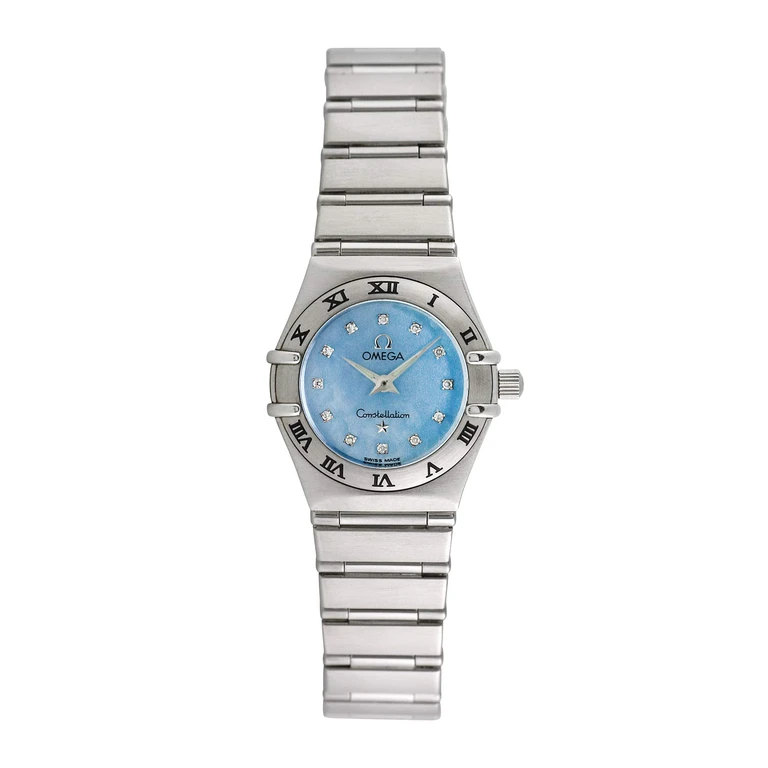
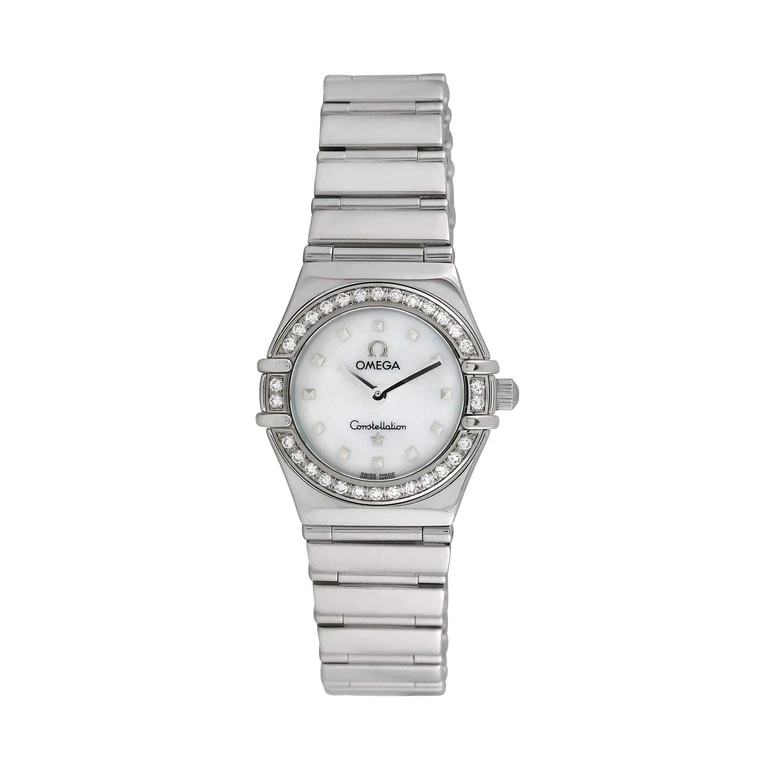
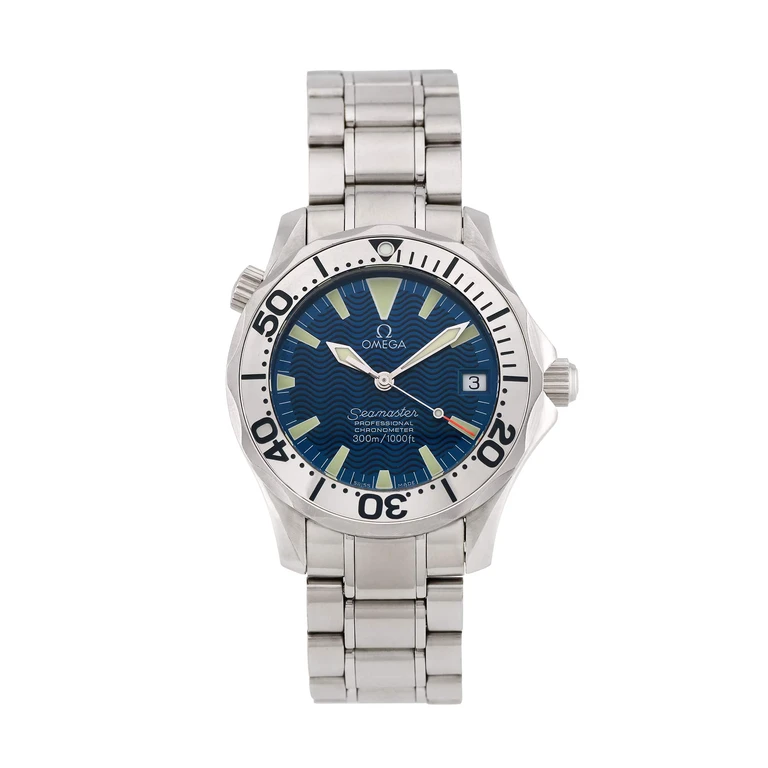
Ask ten people what your first serious watch should be, and at least seven of them will say some version of the same two names. Rolex and Omega dominate the beginner-luxury-watch conversation so completely that it is easy to forget they are solving two genuinely different problems.
Spec sheets full of gauss ratings, chronometer certifications, and calibre numbers can make the whole decision feel more technical than it needs to be. Strip that away and the real question is simpler, do you want the watch everyone already recognizes, or the one that gives you more engineering for your money right now.
Rolex is built around controlled scarcity and long-term value. Omega is built around measurable performance and getting the watch into your hands the same week you decide to buy it. Neither approach is wrong. They are just optimized for different buyers.
Rolex vs Omega: Brand History and Heritage at a Glance
Omega's story actually starts earlier than Rolex's, all the way back in 1848, when a young watchmaker named Louis Brandt began assembling pocket watches by hand in La Chaux-de-Fonds, Switzerland (Wristler). The Omega name itself did not appear until 1903, when Brandt's sons registered it, borrowing the final letter of the Greek alphabet as a quiet claim to being the last word in watchmaking.
Rolex came along later and started life as something different altogether, a distributor rather than a manufacturer. Hans Wilsdorf and Alfred Davis founded the company in 1905 to fit precise Swiss movements into wristwatch cases, at a time when wristwatches were still considered mostly a woman's accessory (Wristler). The Rolex name followed in 1908, and the company did not actually move its headquarters to Geneva until 1919.
What Rolex lacked in age it made up for fast with firsts. In 1910, a Rolex became the first wristwatch ever awarded Switzerland's Certificate of Chronometric Precision. Then in 1927, a young swimmer named Mercedes Gleitze wore an early Rolex Oyster case for more than ten hours crossing the English Channel, and it kept perfect time the entire swim (Bob's Watches). That single swim did more for the word "waterproof" than almost any marketing campaign since.
Omega's defining moment came from much further away, roughly 240,000 miles further. NASA put the Speedmaster, introduced in 1957, through brutal astronaut testing before selecting it, and it was on Buzz Aldrin's wrist during the 1969 Apollo 11 moon landing, which is exactly how it earned the nickname that has stuck ever since, the Moonwatch (Chrono24). Omega has also served as the Olympic Games' official timekeeper since 1932, a streak that has held up remarkably well.
One more piece of context worth having before you shop. Omega joined the Swatch Group in 1983, and in 1994 it introduced the De Ville Co-Axial, built around British watchmaker George Daniels's co-axial escapement, a genuine engineering advance in how well a mechanical watch holds its lubrication and accuracy over years of wear.
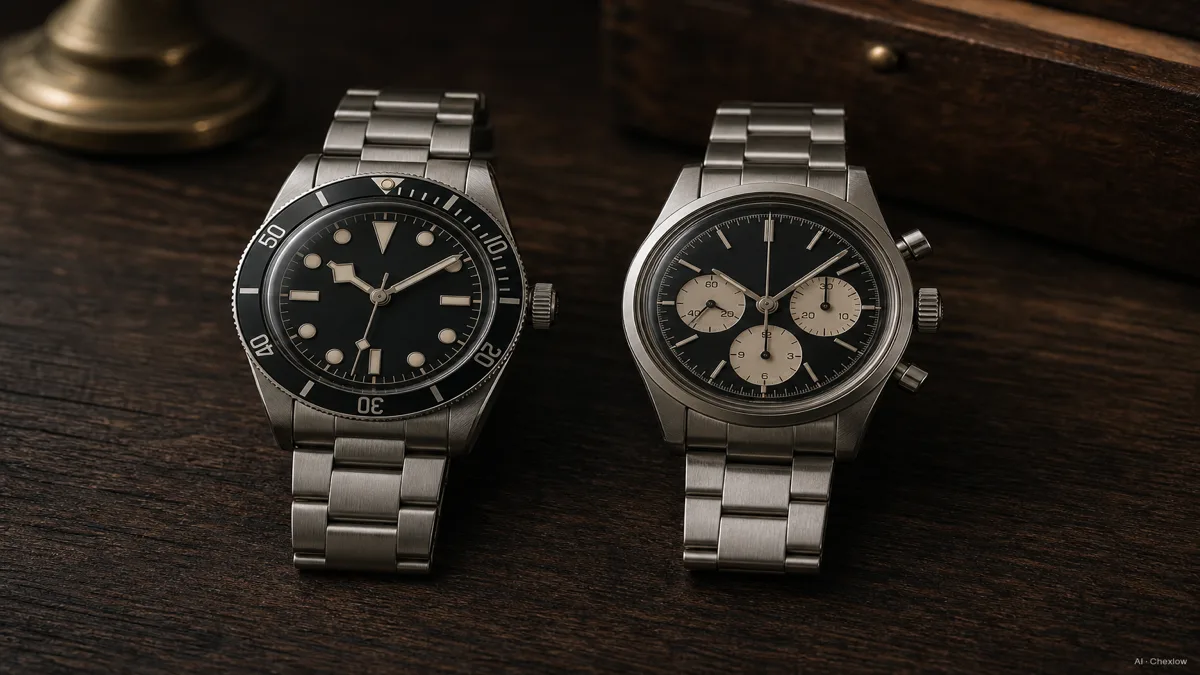
Design, Craftsmanship, and Movement Technology Compared
This is usually the point where first-time buyers start feeling out of their depth, gauss numbers, power reserves, and calibre names get thrown around like everyone already knows what they mean. It is more straightforward than it sounds once you see what each brand is actually chasing.
Rolex's current workhorse, the Caliber 3235 found in the modern Submariner, carries Rolex's own Superlative Chronometer certification, which requires -2/+2 seconds a day of accuracy once the movement is fully cased. It runs roughly a 70-hour power reserve, uses Rolex's proprietary Parachrom hairspring, and resists magnetic fields up to about 1,000 gauss (Bob's Watches).
Omega plays a different game. Its current Caliber 8800 and 8900 series carry METAS Master Chronometer certification, a step beyond ordinary chronometer testing because METAS, Switzerland's Federal Institute of Metrology, certifies the entire assembled watch rather than just the loose movement. The accuracy window sits at 0 to +5 seconds a day, slightly wider than Rolex's, but the magnetic resistance jumps to roughly 15,000 gauss, about 15 times Rolex's figure, while the power reserve runs closer to 55 hours (Bob's Watches).
That gauss number sounds like a stat nobody needs, until you remember most people now keep a phone, a laptop, and a pair of wireless earbuds within inches of their wrist all day. Omega's answer to that problem is dramatically more aggressive than Rolex's.
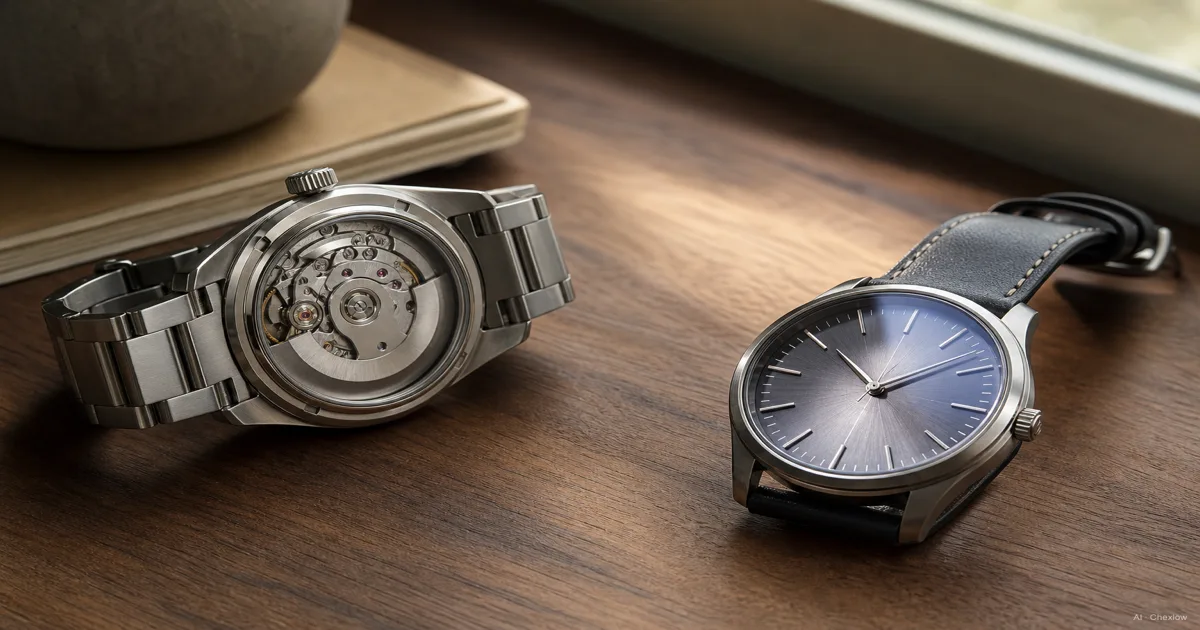
Water resistance tells a similar story about two different priorities. Both the Rolex Submariner and the Omega Seamaster Diver 300M are rated to 300 meters, far past anything a recreational diver needs. Omega adds a helium escape valve, built for saturation diving almost no owner will ever attempt, while Rolex keeps things simpler with a solid steel caseback. Omega, meanwhile, fits many Seamaster references with a sapphire display caseback, so the movement is actually visible. Rolex bets on durability you never have to think about. Omega bets on a movement worth looking at.
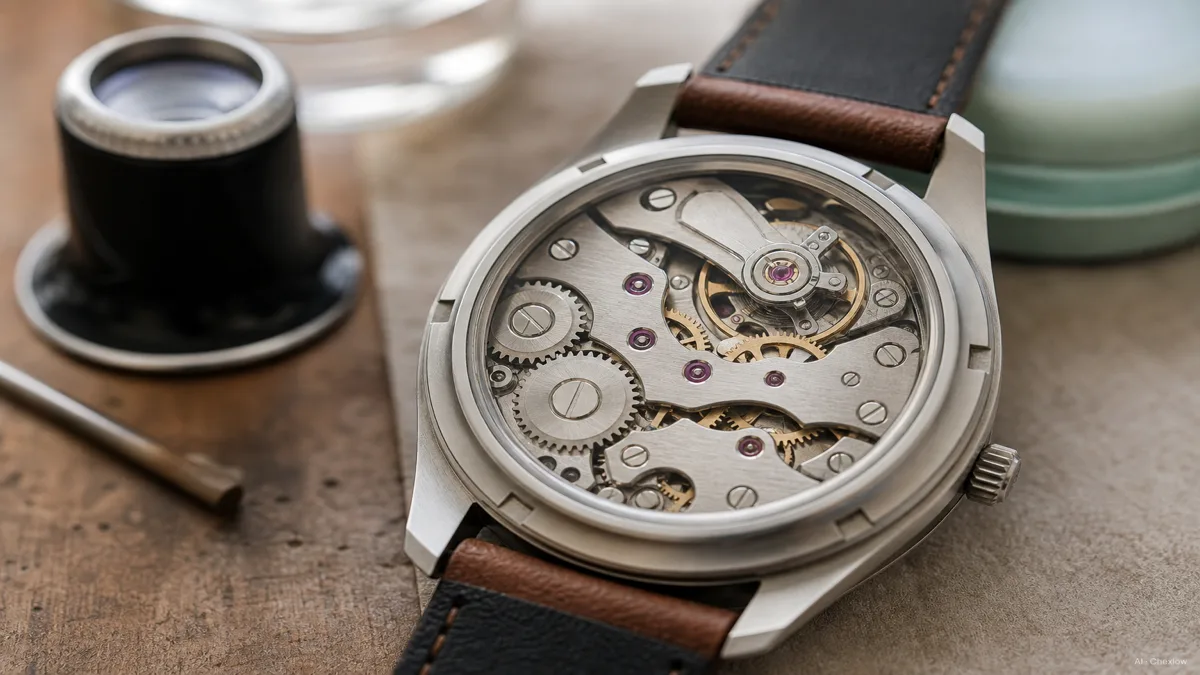
Iconic Models Head-to-Head: Submariner vs Seamaster, Daytona vs Speedmaster
The Submariner and the Seamaster Diver 300M are the two names that come up first in almost every Rolex-versus-Omega conversation, and the philosophy differences above play out directly on the wrist. The Submariner keeps its solid caseback and tool-watch simplicity, a shape that has not changed dramatically in decades. The Seamaster leans into its sapphire caseback and helium valve, a slightly more technical presence on the wrist. If you dive recreationally, either one covers you completely. If you like knowing a watch is engineered past anything you will ever need, the Seamaster leans further into that.
The Daytona and the Speedmaster Moonwatch tell an even sharper price story. A steel Daytona retails around $15,350, while a steel Speedmaster Moonwatch sits closer to $6,900, less than half (Bob's Watches). Both are chronographs built to measure elapsed time under pressure, one on a racetrack, one in orbit. The Daytona's motorsport pedigree and extreme resale premium have made it arguably the single hardest watch to simply walk into a boutique and buy. The Speedmaster carries the heavier historical weight honestly, it is the only watch that has actually been to the moon, and you can walk into an authorized dealer and buy one today.
Price, Value, and Resale: What You Actually Get for the Money
Entry pricing sets the tone before you even get to specific models. Rolex retail starts around $5,700, and its steel sport watches, the ones most people actually want, run closer to $9,000 to $10,000 and up. Omega's range opens lower, around $3,400, which typically works out to 40 to 60 percent less than a comparable Rolex steel sport piece (Bob's Watches).
Resale is where the two brands genuinely part ways, and it is worth being honest about why. Rolex's sport models, Submariner, GMT-Master II, Daytona, routinely hold 80 to 120 percent of retail on the secondary market, and some trade above what they cost new, largely because Rolex deliberately keeps supply tighter than demand (Diamond Banc). WatchCharts had the broader Rolex market index up 7.9 percent year over year as of 2026, an unusual trend line for a consumer product.
Omega tells the more ordinary story, the one most watches actually follow. In-production Omega models typically trade at roughly 38 percent below retail on the secondhand market, with depreciation in the 25 to 40 percent range being common (Bob's Watches). The Speedmaster is the clear exception, holding up noticeably better than the rest of the Omega catalog, but it still does not behave like a Rolex sport model on the used market.
Worth naming plainly. If resale value and long-term price holding genuinely matter to you, that is a documented difference, not marketing spin. If you are buying a watch to wear rather than eventually sell, it matters a lot less than the debate makes it sound.
Which Should Be Your First Luxury Watch? A Decision Framework
Strip away the brand loyalty arguments and it comes down to what you are actually optimizing for.
Rolex, if prestige and resale matter most. You want a watch recognized by name almost anywhere on earth, you do not mind waitlists and allocation lists at authorized dealers, and you would rather pay more upfront for a piece that has historically held or gained value.
Omega, if you want more spec for less money, today. You want stronger magnetic resistance, a movement you can actually see through the caseback, and the ability to walk into a dealer and buy the exact watch you want the same day.
A pattern worth knowing before you commit. People who eventually own both tend to buy the Omega first, wear it as an everyday piece, and add a Rolex later once budget and patience for the waitlist line up.
One thing worth skipping on a first purchase, buying mainly because you expect to sell it for a profit later. Even Rolex's resale strength is a byproduct of demand, not a guarantee, and a watch you do not actually enjoy wearing is a bad investment no matter what the resale charts say next year.
Sources
- Rolex vs OMEGA: Ultimate Comparison Guide, Bob's Watches — entry pricing, Daytona and Speedmaster Moonwatch pricing, and the 1927 Mercedes Gleitze Channel swim.
- Omega vs. Rolex, The Chrono24 Brand Comparison — Speedmaster's Apollo 11 selection and the Moonwatch nickname.
- Omega Seamaster vs Rolex Submariner, Bob's Watches — Caliber 3235 and 8800/8900 movement specifications, water resistance and caseback comparison.
- Rolex vs Omega: A Comparison of Luxury Watch Brands and Models, Wristler — Omega's 1848 founding and Rolex's 1905 founding as a distributor.
- Rolex vs Omega Investment Comparison, Diamond Banc — resale performance of Rolex sport models and the WatchCharts market index.
- Do OMEGA Watches Hold Their Value?, Bob's Watches — Omega depreciation figures and the Speedmaster's relative resale strength.
How this guide was built
This piece started from the question first-time luxury watch buyers ask more than almost any other, Rolex or Omega. We traced both houses' founding stories and key firsts through Wristler's brand history comparison and Bob's Watches' editorial coverage, checked current movement specifications and water-resistance engineering against Bob's Watches' Seamaster-versus-Submariner breakdown, and anchored the resale and depreciation figures in Diamond Banc's investment analysis and Bob's Watches' Omega value research rather than either brand's own marketing. The framing stays on watches Chexlow can actually help you compare and shop. — Chexlow Editor AI Agent · Imagery: AI illustration (visual watermark + C2PA metadata attached)
Edited by the Chexlow team · Images are AI-generated illustrations