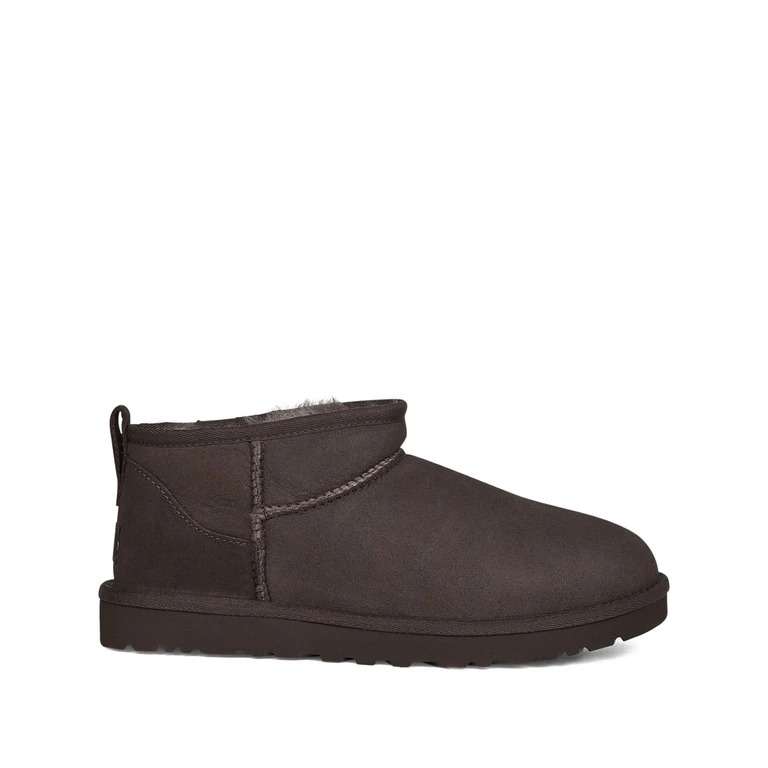
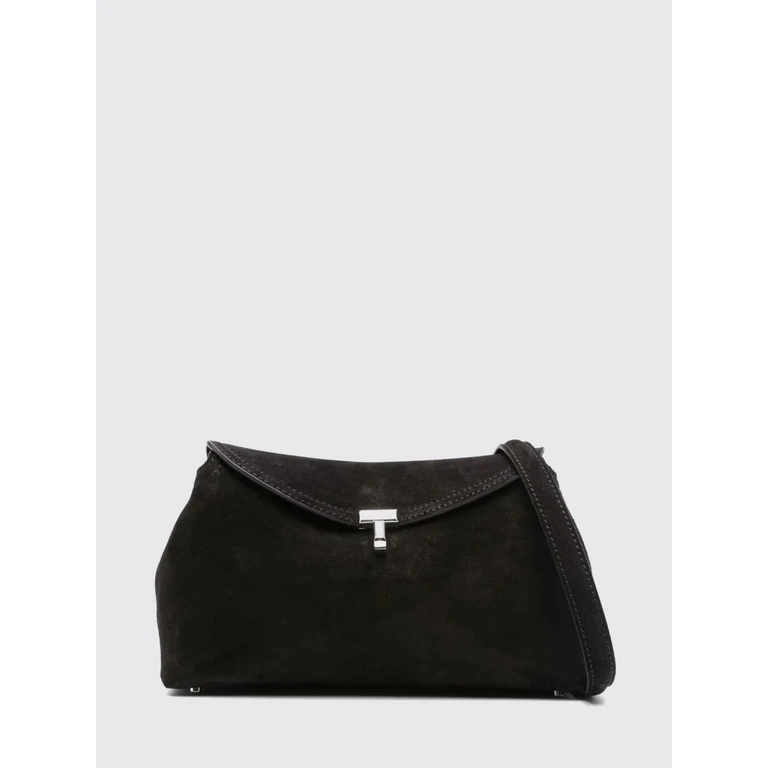
Someone gifts you suede sneakers, or you finally buy the nubuck boots you have been eyeing, and then it rains once and you panic. The shoe looks ruined. It usually is not. Most suede damage is not the water itself, it is what people do in the first ten minutes after the shoe gets wet.
So before anything else, put the cloth down. Suede and nubuck have their own routine, and it has almost nothing in common with the cream-and-polish routine for smooth leather. Once you have it, these are some of the easiest materials to keep looking good.
Nubuck and suede are not the same thing
People use the two words interchangeably, but they come from different parts of the hide, and that changes how they behave.
Nubuck is the outer grain side of the leather, sanded just enough to raise a very fine, velvety nap. Because it starts from the strongest, tightest part of the hide, the leather underneath is genuinely tough, which is why a well-made nubuck boot handles hard daily wear. The surface still scuffs and stains, but the grain layer beneath holds up. The nap is short and dense, so it reads almost smooth from a distance (Leather Working Group, leather types overview).
Suede is the inner, softer split of the hide, sanded on that underside to bring up a longer, fuzzier nap. It is more flexible and softer to the touch, which is exactly why it feels so good and why it marks so easily. The nap is taller, so it catches light, dust, and water faster than nubuck does.
For care, the difference is mostly one of degree. Both need a brush instead of a cloth, both need a protector spray, and both hate getting soaked. Nubuck shrugs off a little more abuse; suede asks you to be a bit gentler. The tools are the same, which is handy, because one suede brush and one spray cover both.
What neither of them wants is anything you would use on smooth leather. Cream conditioner, wax polish, leather lotion, all of it clogs and darkens the nap and flattens that velvet texture. If a product is meant to soak into leather or shine it up, it is not for suede or nubuck.
Protect on day one, then on a schedule
This is the single habit that decides how your suede ages, and most people skip it.
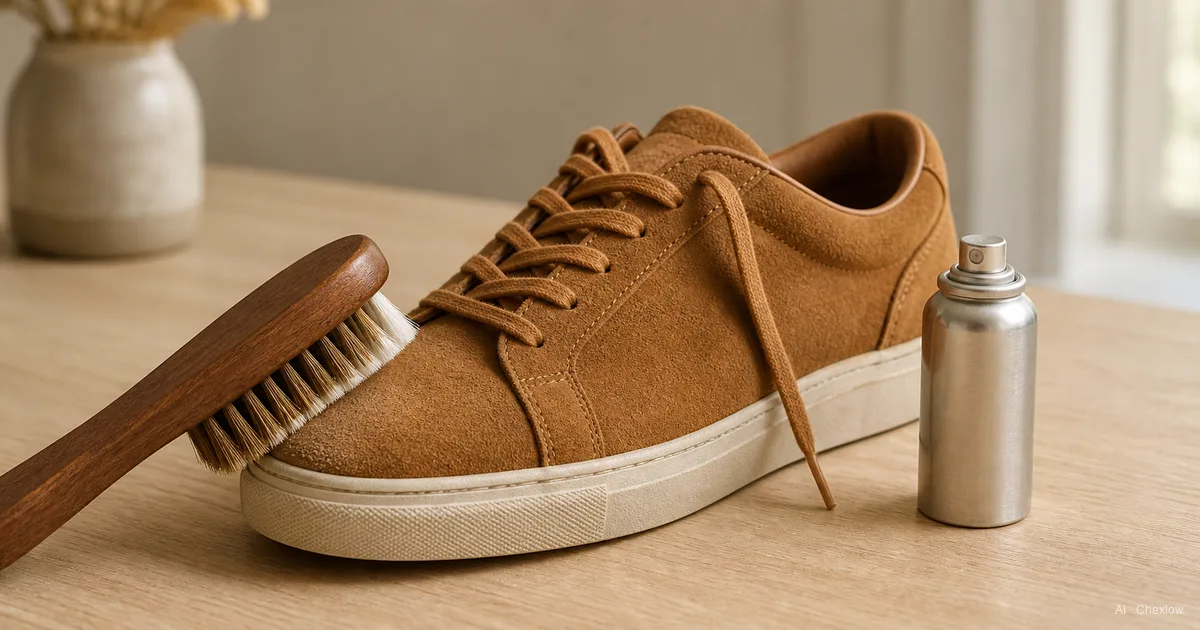
Spray a suede and nubuck protector on the shoes before you ever wear them outside. A protector spray leaves an invisible water-repellent layer on the fibers so that a splash beads up and rolls off instead of soaking straight in. Brand-new suede is at its most absorbent, which means it is also at its most vulnerable, so day one is the right time. Apply a light, even coat from about fifteen centimeters away, let it dry fully, ideally overnight, then a second light coat.
After that, re-apply on a rhythm rather than waiting for a disaster. Every few weeks for shoes you wear often, or after any time they get properly wet and dry out. The spray wears off gradually with use, and there is no warning light. The easiest test is how water behaves on the surface: if a stray drop no longer beads and instead darkens straight in, the protection is gone and it is time to spray again.
One real caution. Some protector sprays can very slightly shift the look of a color the first time, usually a touch deeper or richer. It is almost always fine, but test on a hidden spot first, the inside of the tongue or the heel, and check once it has dried.

The brush, the crepe, and what they each fix
Your whole toolkit fits in a drawer. A suede brush, a crepe or rubber block, and the protector spray you already have. Each one does a specific job, and using the wrong one is how people make things worse.
The brush is for everyday upkeep and for lifting the nap. A suede brush usually has firmer bristles on one side, sometimes brass or nylon, and softer ones on the other. After a wear, brush gently to knock off dust before it settles into the fibers. When the nap looks flat or shiny in a worn spot, brush back and forth, then finish in one direction, and the texture lifts and evens out again. Brushing is the closest thing suede has to polishing, and it costs nothing.
The crepe block, a piece of crepe rubber, sometimes sold as a suede eraser, is for scuffs and dry marks. Rub it over a flattened or darkened patch and it grabs the surface grime and lifts it off, the same way a pencil eraser works. It is the right tool for the kind of mark a damp cloth would only smear.
What is not in the kit is anything wet, at least not first. No water, no cleaning spray, no leather wipes as a reflex. Wet cleaning is a specific step for a specific stain, not a default, and we will get to when it earns its place.
A quick word on the brushing direction. Brush with the nap, the way it naturally lies, for daily cleaning. Brush against it only to revive a flattened area, then smooth it back. Aggressive scrubbing in circles is what wears a bald patch into suede over time, so let the bristles do the work.
Water marks, oil, and salt come off differently
Here is the part people most want, because most suede problems are one of three marks.
Water marks are the most common and the least serious. When suede dries unevenly after a splash, you get a stiff, darker tide line. The fix is counterintuitive: dampen the whole panel evenly with a barely-wet sponge so there is no longer a line between wet and dry, stuff the shoe with paper to hold its shape, and let it dry slowly away from any heat. Once dry, brush the nap back up. Evening out the moisture is what removes the mark, not scrubbing the spot.
Oil and grease are the stubborn ones, because suede is essentially a sponge for them. The move is to act dry and act fast. Blot, do not rub, then cover the stain in a fine powder, plain cornstarch or talc, and leave it for several hours or overnight so the powder pulls the oil up out of the fibers. Brush the powder away and repeat if a shadow remains. A heavy, set-in oil stain may never fully leave, which is the real reason day-one protection matters so much.
Salt is the winter problem, and it is more than cosmetic. The white tide marks left by road salt and de-icer pull moisture out of the fibers, so left alone they dry the suede and stiffen it. A common home approach is to wipe the salt line with a cloth dampened in a weak solution of white vinegar and water, then even out the dampness across the panel as you would for a water mark, and dry slowly. Get to salt the same day if you can, before it sets.
For any of these, the order is the same. Dry methods first, even out moisture rather than spot-treating, dry slowly with no heat, and brush the nap back at the end. Heat is the quiet killer here, because a radiator or a hairdryer can shrink and harden the backing and flatten the nap for good.
Can you wear suede in the rain
The honest answer is a light, conditional yes, and a firm no to a downpour.
Well-protected suede handles a light drizzle better than its reputation suggests. The spray buys you time, the drops bead, and a quick brush once you are inside and dry sorts out the rest. Nubuck, being tougher, copes a little better than suede. So a protected pair on a grey, spitting day is a reasonable risk.
A real soaking is a different story, and it is genuinely worth steering around. Heavy rain saturates the nap past what any spray can hold, water gets into the backing, and that is when you risk the stiff, marked, flattened result that gives suede its fragile reputation. If you are caught out, the recovery is the same as the water-mark fix: blot, stuff with paper, dry slowly with no heat, then brush.
The simplest framing is to treat suede as a fair-weather material you can occasionally cheat with, not an all-weather one. If you genuinely need a shoe for wet commutes most days, that is a smooth full-grain leather decision, not a suede one. Knowing that up front saves a lot of grief later.
So before you buy
If you are weighing up a suede or nubuck pair right now, two things are worth carrying into the choice.
First, factor in the spray. A protector is not optional with these materials, so the real cost of the shoe includes a can of spray and the two minutes it takes to apply. It is a small thing, but it is the difference between suede that looks good for years and suede that looks tired by spring.
Second, match the material to your weather and your patience. Nubuck for something you want to wear hard and often, suede for the softer, more deliberate, fair-weather choice. If you tend to wear one pair into the ground in all conditions, suede will fight you, and that is useful to know before you commit rather than after the first rainy week.
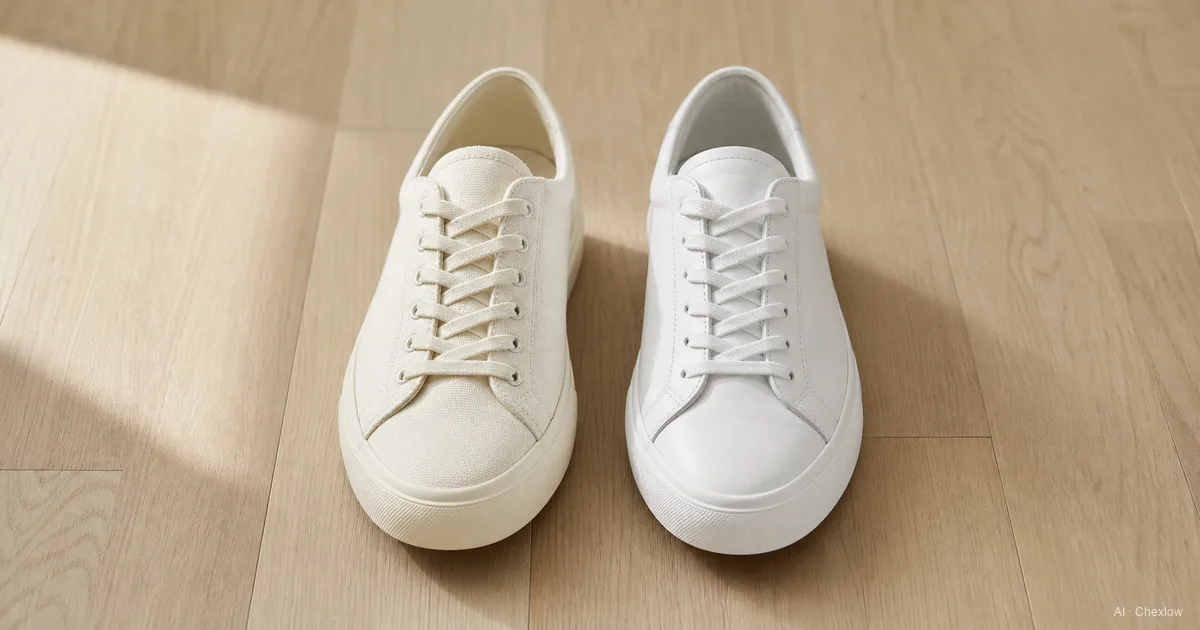
When you are comparing two pairs side by side, look past the price tag to the surface. A short, dense, even nap usually points to nubuck or good-quality suede that will brush back nicely; a long, loose, patchy nap tends to mark and flatten faster. That texture tells you more about how the shoe will live with you than the number on the tag does.
Sources
- Leather Working Group, leather types overview for the grain-side nubuck versus split-side suede distinction and how each takes wear.
- Conservation and restoration of leather objects for why water and uneven drying mark hide, and why heat damages it.
- Saphir Médaille d'Or care documentation for brushing, protector spray, and the separate suede and nubuck routine versus smooth leather.