

Choose the coverage your day actually needs
Picture the uncomfortable part of your winter day: waiting for a bus, sitting outside, driving, or carrying your jacket through a warm station. Use that moment to narrow the choice.
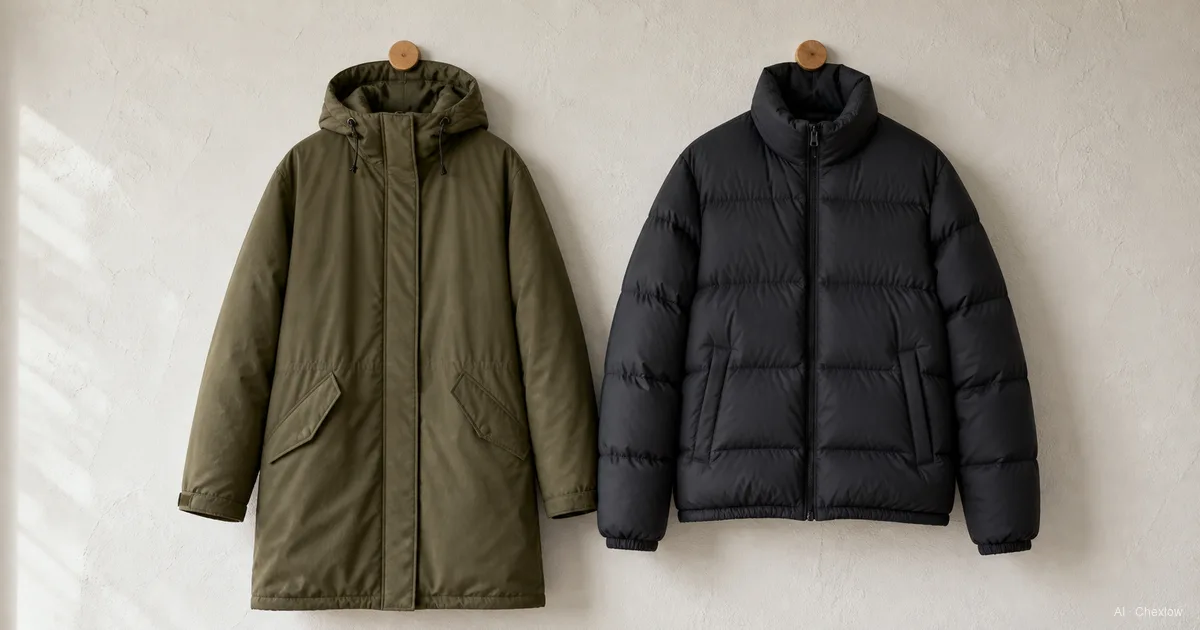
The categories overlap. A parka can also be a puffer: The North Face’s puffer parkas combine insulated construction with longer coverage, using down or synthetic fill. This comparison focuses on a longer insulated coat versus a shorter puffer, rather than treating the names as mutually exclusive.
- Start with the parka if you want your coat to cover your hips and thighs while waiting outside. Check where the hem falls on you, rather than relying on the model’s photograph.
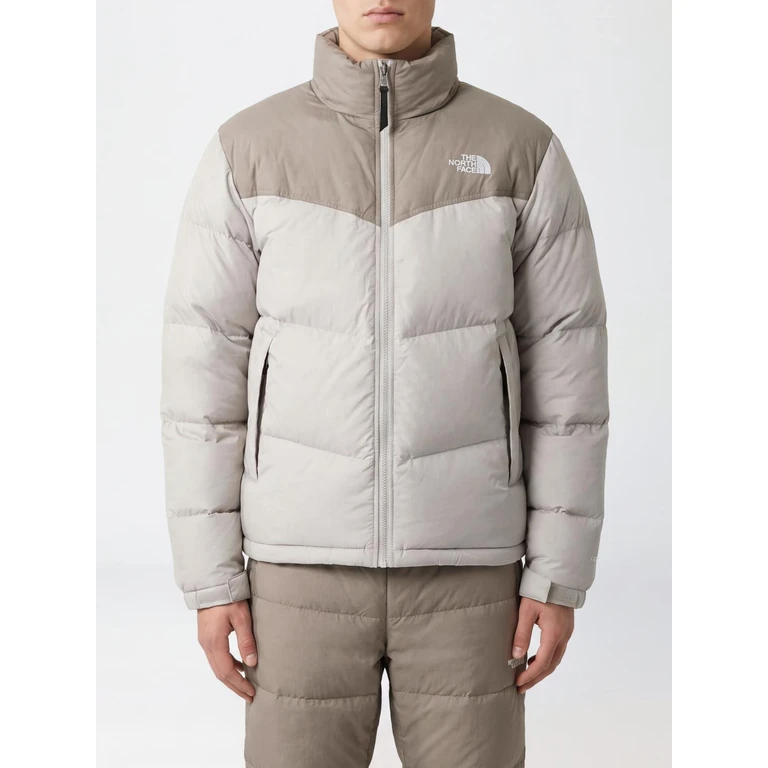
- Start with the shorter puffer if you need to sit, move and put the jacket in a bag frequently. Make a stated packed size or a packing demonstration part of your shortlist.
- Keep both in contention if you need coverage and portability. A long quilted coat may suit you; don’t reject it because a shop puts it in the other category.
Write down your required length before comparing fill-power numbers. You are choosing which parts of your body the garment covers first, then how it insulates them.
Compare the insulation, not just the biggest number
Fill power describes down’s loft per ounce; it is not a jacket warmth score. Fill amount and distribution matter too. REI explains the distinction.
For each candidate, note the filling material, any disclosed fill weight and the size that weight refers to. If information is missing, ask the manufacturer about the intended use; don’t turn a missing number into a presumed weakness or a warmth guarantee.
Down traps air and packs efficiently. The compartments holding it, called baffles, also influence how it lofts. Montane’s insulation guide explains why fill quantity and construction deserve attention alongside the headline specification.
Separate insulation from weather protection. Wet down loses insulating performance and dries slowly; synthetic insulation better maintains warmth when wet. That makes synthetic worth considering when damp conditions are difficult to avoid, whichever length you choose. See REI on down and Montane on synthetic insulation.
Don’t assign a universal temperature cutoff to either shape. Ask whether the proposed jacket is intended for standing around or sustained movement, and explain what you expect to wear underneath.
Decide how you will handle rain
DWR is a surface water-repellent finish, not proof of waterproof construction. For sustained rain, check for a waterproof fabric and sealed seams. REI’s rainwear guide distinguishes these features.
Choose one of these arrangements before buying:
- One outer garment. Shortlist an insulated parka or puffer whose specifications explicitly include waterproof construction.
- Separate insulation and rain protection. Try the puffer under your existing waterproof shell. If you need to buy a shell, treat it as a conditional companion purchase, with enough room for the chosen insulation.
- Protection remains unclear. Ask for the exact garment specification. Neither a shiny fabric nor a bulky hood settles the question.
When the separate-shell route suits you, use the rain-jacket buying guide to work through that purchase. Check the two garments together before committing to either size.
Sit, reach and pack before making the final choice
Wear the layers you normally use and close the jacket. Sit down, take a long step and reach forward. Check whether the hem pulls, the shoulders restrict you or the sleeves expose your wrists. On a long coat, try the lower zipper opening if it has one; some longer jackets use a two-way zip for this adjustment. REI describes the feature.
If portability decided your shortlist, ask to pack the garment into its supplied pouch or pocket and compare it with the space available in your bag. Don’t infer packed volume from fill power. Rab’s buying guide distinguishes lightweight packable jackets from heavier designs for greater insulation.
Make the final call by checking your original problem:
- Cold waits and uncovered thighs: choose the longer candidate if its insulation, weather protection and seated fit also work.
- Frequent carrying or layering: choose the shorter candidate if it passes the bag and layering checks without abandoning the warmth you need.
- Neither passes: change the model or cut. You don’t have to buy one of each to compensate for a poor fit.
Buying mainly for the slopes? Continue with the ski-jacket and snowboard-jacket comparison before treating an everyday winter coat as your snow-sports outer layer.
Cómo se elaboró esta guía
Written by AI for Chexlow, using published guidance from REI, The North Face, Rab and Montane. The comparison applies those sources to a first winter-jacket purchase; the try-on checklist is editorial guidance, not a product test or a temperature certification.
Editado por el equipo de Chexlow · Las imágenes son ilustraciones generadas por IA